Is wooden flooring truly worth the investment compared to laminate, or is the higher upfront cost just for looks? If you’re torn between the natural elegance of hardwood and the budget-friendly appeal of synthetic alternatives, you’re not alone. Wooden flooring offers unmatched durability, timeless beauty, and the ability to be refinished multiple times—features that laminate simply cannot match. While laminate may win on initial price, wood adds significant home value, provides better insulation, and lasts decades longer with proper care. In this guide, we’ll break down the real differences in longevity, aesthetics, maintenance, resale impact, and room suitability to help you make the right choice for your home.
Wooden flooring is one of the most popular choices for interior design due to its natural beauty, warmth, and versatility. Unlike synthetic materials, wood brings a timeless elegance to any space, whether residential or commercial. It adds character and comfort, creating an inviting atmosphere in living rooms, bedrooms, and offices alike.
Wooden floors come in different varieties, each offering distinct aesthetics and durability. Solid hardwood, engineered wood, laminate, and reclaimed wood are the most common options. Solid hardwood provides unmatched durability and can be refinished multiple times, making it a long-term investment. Engineered wood offers stability and moisture resistance, making it suitable for kitchens and basements. Laminate is cost-effective and easy to maintain, while reclaimed wood brings a rustic and eco-friendly charm.
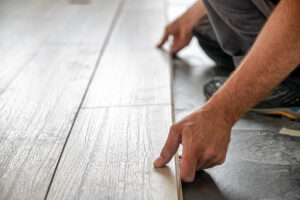
The installation of wooden flooring also varies depending on the type of wood and subfloor conditions. Traditional nail-down methods are used for solid hardwood, while click-and-lock systems are popular for engineered wood and laminate. Choosing the right installation technique is essential to ensure longevity and avoid issues like warping or squeaking.

Unmatched Durability and Longevity
Wooden flooring is celebrated for its exceptional lifespan. Unlike laminate, which typically lasts 10-20 years, solid hardwood can endure for decades, often exceeding 50 years with the right care. The ability to sand and refinish wood multiple times means it can be restored to its original beauty, saving homeowners from the need for full replacement. Laminate, however, cannot be refinished; once damaged or worn, it requires a complete overhaul. Investing in wooden flooring provides resilience and longevity, making it a practical choice that offsets future costs and effort.
Timeless Aesthetic Appeal
The unique beauty of wooden flooring cannot be replicated. Each plank boasts natural grain patterns and textures, creating a distinct and warm appearance that elevates any room. Unlike laminate, which often mimics wood through printed images, real wood offers an authentic, luxurious feel. Over time, hardwood develops a rich patina that enhances its visual appeal. While laminate may look convincing from afar, it lacks the depth and character that wooden flooring brings to a space. For homeowners seeking an enduring, sophisticated aesthetic, wood is the ideal choice.
Significant Value Addition to Your Home
Wooden flooring can greatly increase a home’s market value. Real estate experts agree that homes with hardwood floors often sell at higher prices and attract more buyers. Wooden flooring is perceived as a premium feature due to its durability and classic appeal. In contrast, laminate, although cost-effective upfront, doesn’t add the same level of value and can be seen as a budget option. Choosing wooden flooring is a sound investment that can yield substantial returns during resale, enhancing both the home’s image and price.
Popular Trends in Wooden Flooring
Wooden flooring trends evolve with interior design innovations. Wide plank floors are highly popular, offering a spacious, luxurious look. Natural finishes highlighting wood grain and texture are preferred over glossy or artificial stains, emphasizing authenticity.
Engineered wood remains a favorite due to its versatility and stability. Reclaimed wood is also trending, appealing to eco-conscious homeowners seeking unique, vintage aesthetics.
Patterned floors like herringbone and chevron are increasingly common in modern homes. They add sophistication and a sense of craftsmanship. Mixed wood tones and gray or whitewashed finishes are popular for contemporary designs.
Matte finishes are favored for subtle elegance and easy maintenance. Scratch-resistant and waterproof options cater to high-traffic areas and families with pets. Following trends allows homeowners to blend style with practicality, keeping interiors modern while maintaining the timeless beauty of wooden floors.
Common Mistakes to Avoid
Many homeowners make mistakes when installing or maintaining wooden flooring. One major error is skipping acclimation. Wood must adjust to room temperature and humidity before installation to prevent warping or gaps.
Improper cleaning is another common issue. Excess water, harsh chemicals, or steam cleaning can damage wood surfaces. Always use recommended wood cleaners and avoid soaking the floor.
Choosing the wrong wood type for a room can also cause problems. Softwoods may dent easily in high-traffic areas, and solid wood is unsuitable for moisture-prone spaces.
Neglecting protective measures like furniture pads, rugs, or climate control leads to scratches, expansion, or contraction. DIY installation without experience may result in uneven surfaces, squeaks, or gaps.
Avoiding these mistakes ensures durability, functionality, and aesthetic appeal for years. Proper planning, installation, and maintenance are essential for beautiful, long-lasting wooden floors.

Simplified Maintenance and Care
Maintaining wooden flooring requires routine cleaning, such as sweeping and mopping with specialized products. However, its unique advantage lies in the ability to be sanded and refinished, restoring its look after years of wear. This makes it adaptable and long-lasting. Laminate, while easy to clean daily due to its synthetic surface, cannot be refinished. Once it shows signs of damage, replacement is necessary. The restoration flexibility of wooden flooring makes it a more reliable, enduring option for homeowners looking for long-term solutions.
Comfort and Superior Insulation
Wooden flooring provides better insulation, making it more comfortable underfoot and warmer during colder months. This natural quality can help maintain indoor temperatures, potentially reducing energy costs. Wood also absorbs sound more effectively, contributing to a quieter home environment. In comparison, laminate, made from synthetic materials, tends to feel harder and colder. It doesn’t offer the same level of warmth or noise reduction, making wooden flooring the preferred choice for comfort and a cozy atmosphere.
Eco-Friendly Choice
When sourced responsibly, wooden flooring is an environmentally friendly option. Hardwood can be obtained from certified forests that practice sustainable harvesting. Additionally, wood is biodegradable and recyclable, which minimizes its environmental footprint. Laminate flooring, in contrast, is made from synthetic materials, including resins and plastics that are less eco-friendly and difficult to recycle. The chemicals used in laminate production can contribute to environmental pollution. By opting for wooden flooring, you support renewable resources and contribute to sustainability efforts.
Wide Range of Customization Options
Wooden flooring offers diverse customization options, allowing homeowners to choose from various wood types, such as oak, walnut, or maple, each with unique characteristics. Multiple finishes and stains enable personalized design choices that complement any interior style, from rustic to modern. While laminate offers different looks, it is limited by printed patterns and lacks the natural variation of real wood. Wooden flooring allows you to create a one-of-a-kind look that reflects your personal style and enhances your home’s aesthetic.
Cost Comparison: Short-Term and Long-Term Considerations
Although wooden flooring comes with a higher initial cost than laminate, its long-term value often justifies the expense. The durability and ability to refinish hardwood lead to fewer replacements over time, providing cost savings in the long run. Laminate, while more budget-friendly at first, has a shorter lifespan and cannot be refinished, leading to potential cumulative costs due to more frequent replacements. When viewed as a long-term investment, wooden flooring offers greater value, especially when considering its impact on property resale.

Room Suitability: Where Each Option Works Best
Wooden flooring is ideal for spaces like living rooms, bedrooms, and dining areas, where its natural warmth and aesthetic shine. It’s less suited for moisture-prone areas such as bathrooms and basements, where prolonged exposure to water can cause damage. Laminate may appear to be a more practical choice for these areas due to its water-resistant properties, but it too can warp if moisture is excessive. For a unified, luxurious look throughout your home, wooden flooring is versatile, with minor adjustments like moisture barriers for added protection.
Resale Impact: A Wise Investment
Homes with wooden flooring have a competitive edge in the real estate market. Buyers often prefer hardwood because it signifies quality and durability. This can result in quicker sales and higher offers compared to homes with laminate flooring, which is seen as a less valuable feature. Wooden flooring’s classic appeal and long-term performance attract buyers, boosting your home’s resale potential. It stands as a testament to attention to detail and quality, making it an advantageous choice for homeowners planning to sell in the future.
Maintenance and Care of Wooden Flooring
Wooden flooring requires regular maintenance to preserve its appearance and durability. The first step is cleaning. Dust, dirt, and debris can scratch the surface, so sweeping or vacuuming daily is recommended. Damp mopping with minimal water is ideal; excessive moisture can damage wood. Specialized wood cleaners help maintain shine without harming the finish.
Protective measures are essential. Furniture pads prevent scratches, while rugs and runners protect high-traffic areas. Avoid walking on wooden floors with high heels or sharp-soled shoes. Spills should be wiped immediately to prevent staining.
Climate control is another key factor. Wood expands and contracts with humidity changes, so maintaining stable indoor conditions prevents gaps and warping. Humidifiers in dry seasons and air conditioning in humid months help maintain balance.
For long-term care, refinishing and sealing are important. Solid wood can be sanded and refinished to remove scratches and restore beauty. Engineered wood may require re-coating of the top layer. Protective finishes improve resistance to moisture, scratches, and stains.
With proper care, wooden floors remain beautiful, functional, and long-lasting, making them a practical and elegant choice for any interior.
Wooden Flooring in Different Rooms
Wooden flooring can enhance the ambiance of every room, but different spaces have varying requirements. Living rooms and bedrooms benefit from solid hardwood, adding warmth, comfort, and timeless beauty. Light finishes create an open feel, while darker tones offer a cozy atmosphere.
Kitchens and bathrooms require moisture-resistant options such as engineered wood. Proper sealing prevents water damage, while laminate or vinyl wood alternatives offer practicality and affordability.
Entryways and hallways experience high foot traffic, so durable hardwoods like oak or hickory are recommended. Rugs and mats protect the surface while adding style.
Basements often face humidity and temperature fluctuations. Engineered wood or water-resistant alternatives are ideal, ensuring stability and longevity.
Selecting the right wood type and finish for each room ensures durability, functionality, and aesthetic harmony. Wooden flooring adapts seamlessly to various environments, making it versatile and stylish for all areas of a home.
Conclusion
The Clear Winner Choosing between wooden and laminate flooring depends on your priorities, but the advantages of wooden flooring are compelling. With unmatched durability, aesthetic beauty, comfort, and added home value, wood is a wise investment for those seeking long-term satisfaction. For a home that blends luxury with functionality, wooden flooring is the superior choice.