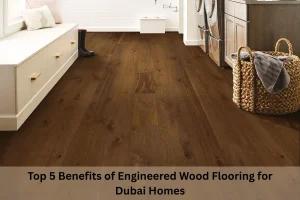
WPC flooring has emerged as one of the most versatile and durable flooring solutions in modern home design. As homeowners increasingly seek materials that combine aesthetic appeal, longevity, and easy maintenance, WPC stands out due to its unique composition and practical advantages. This article explores WPC flooring in detail, helping you understand why it has become a popular choice for residential spaces.
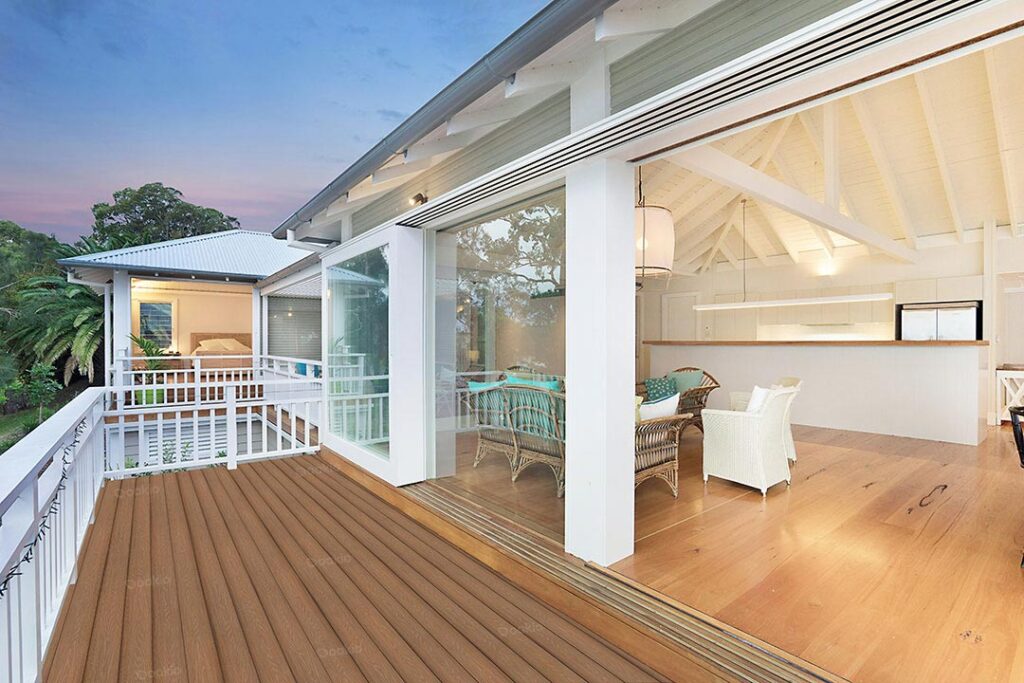
From kitchens to living rooms, and even moisture-prone areas like bathrooms, WPC flooring provides both functional and visual benefits. Its engineered structure allows it to withstand heavy foot traffic while maintaining a warm and natural appearance. Understanding its characteristics can guide homeowners in making informed decisions for long-term flooring solutions.
This article will also touch on related flooring options and comparisons, ensuring you have a comprehensive overview before deciding on your next flooring project. By the end, you will understand the nuances of WPC flooring, its installation, maintenance, and overall advantages.
Understanding the Composition of WPC Flooring Materials
WPC, or Wood Plastic Composite, is an innovative flooring material that combines natural wood fibers with thermoplastic components. This hybrid construction allows WPC to mimic the appearance of traditional hardwood while providing enhanced durability and water resistance. The composition typically includes:
- Wood fibers: These provide the natural texture and warmth associated with wooden floors.
- Plastic polymers: These add strength, flexibility, and moisture resistance to the flooring.
- Additives: Stabilizers, UV inhibitors, and foaming agents are sometimes included to improve performance and longevity.
The layered structure of WPC flooring often includes a wear layer, a decorative vinyl layer, the WPC core, and an underlayment. This multi-layer approach ensures that the flooring is resilient against scratches, dents, and moisture damage, making it suitable for high-traffic areas in homes. Additionally, the WPC core helps with sound absorption, reducing noise in rooms with heavy foot traffic.
For homeowners considering alternatives, lvt flooring abu dhabi offers another vinyl-based option that shares some similarities in terms of water resistance and maintenance. Understanding these differences helps in selecting the flooring that best fits the design and functional needs of your space.
How WPC Flooring Differs from Traditional Wood Flooring
While traditional hardwood flooring has a timeless appeal, it comes with certain limitations such as susceptibility to moisture, temperature changes, and wear over time. WPC flooring addresses many of these challenges with its composite design. Key differences include:
- Moisture Resistance: Unlike natural wood, WPC flooring is highly resistant to water, making it suitable for kitchens, bathrooms, and basements.
- Durability: The plastic component in WPC enhances resistance to scratches, dents, and warping, providing a longer-lasting solution compared to standard wood.
- Ease of Installation: WPC planks often feature click-lock systems, allowing for floating installations without the need for adhesives or nails.
- Maintenance: WPC flooring is easier to clean and requires less frequent upkeep than solid hardwood, which may need sanding, polishing, or refinishing.
Additionally, WPC flooring offers a wider range of designs and textures, including finishes that replicate exotic hardwoods or contemporary patterns. Homeowners seeking a blend of traditional aesthetics with modern practicality can benefit from this innovation.
Installation Techniques and Best Practices for WPC Flooring
Proper installation of WPC flooring is critical to ensure its longevity and performance. Homeowners or installers should follow these guidelines:
- Acclimatization: Before installation, WPC planks should be left in the room for 48 hours to acclimate to the ambient temperature and humidity.
- Surface Preparation: The subfloor must be clean, dry, and level. Any imperfections can affect the stability of the flooring.
- Floating Installation: Most WPC floors are designed as floating systems, which means they are not glued or nailed to the subfloor. This allows the floor to expand and contract naturally.
- Expansion Gaps: Leave a 5–10 mm gap along walls and fixed structures to accommodate natural expansion and contraction.
- Cutting and Placement: Use a fine-tooth saw for precise cuts. Begin installation along the longest wall for a uniform look.
Regular checks during installation, such as ensuring planks are properly aligned and securely locked, prevent gaps or uneven surfaces. Over time, this careful installation approach ensures the floor remains functional and visually appealing.
The Environmental Benefits of Using WPC Flooring in Residences
Sustainability is a major consideration for modern homeowners, and WPC flooring offers several eco-friendly advantages:
- Recycled Materials: Many WPC planks utilize recycled wood fibers and plastics, reducing waste and demand for virgin resources.
- Low VOC Emissions: WPC floors often meet indoor air quality standards, emitting minimal volatile organic compounds (VOCs) and ensuring healthier living spaces.
- Longevity Reduces Waste: Its durable construction means the flooring lasts longer, reducing the frequency of replacements.
- Eco-conscious Manufacturing: Leading manufacturers implement energy-efficient production processes, further reducing environmental impact.
By choosing WPC flooring, homeowners contribute to sustainability while enjoying a practical, low-maintenance solution. These benefits make WPC an attractive alternative to traditional hardwood or synthetic flooring options.
Maintenance Tips to Extend the Life of WPC Flooring
Maintaining WPC flooring is relatively straightforward, thanks to its resilient construction. Here are some practical tips to ensure longevity:
- Sweep or vacuum regularly to remove dirt and debris that can cause scratches.
- Use a damp mop with a mild cleaner specifically formulated for WPC or vinyl flooring. Avoid harsh chemicals.
- Place mats at entryways to reduce dirt and moisture tracked into the home.
- Use furniture pads to prevent dents or scratches from heavy furniture.
- Immediately wipe up spills to prevent potential staining or water damage, even though WPC is water-resistant.
Following these simple steps keeps the flooring looking new for years while preserving its performance characteristics.
Common Myths and Misconceptions About WPC Flooring
Despite its growing popularity, WPC flooring is often surrounded by misconceptions. Understanding the facts helps homeowners make informed choices:
- Myth 1: WPC is Not Durable – In reality, the composite core makes it more resistant to scratches and dents than traditional wood.
- Myth 2: WPC Cannot Look Realistic – Advanced printing and embossing techniques allow WPC to closely mimic natural wood grains.
- Myth 3: WPC is Difficult to Maintain – The flooring is low-maintenance, requiring only regular cleaning.
- Myth 4: WPC is Expensive – While prices vary, its longevity and low maintenance costs can make it more cost-effective over time.
By addressing these myths, homeowners can confidently evaluate WPC as a long-term flooring solution.
How WPC Flooring Performs in Moisture-Prone Areas
One of the standout benefits of WPC flooring is its performance in areas where traditional wood often fails. The composite structure provides:
- Water Resistance: The plastic core prevents absorption, reducing swelling or warping.
- Stability: WPC maintains its shape under temperature and humidity fluctuations, making it suitable for kitchens, bathrooms, and basements.
- Slip Resistance: Many WPC designs feature textured surfaces to reduce slipping in wet areas.
For households with children or pets, this combination of durability and moisture resistance makes WPC flooring an attractive choice. Additionally, pairing it with sports flooring in active areas like home gyms or playrooms ensures both safety and comfort.
Comparing WPC Flooring Cost Versus Durability
While upfront costs for WPC flooring can be slightly higher than laminate or vinyl, its extended lifespan often offsets the initial investment. Factors influencing value include:
- Material Quality: Premium WPC with thicker wear layers tends to last longer and resist dents better.
- Installation Method: Floating installations are quicker and reduce labor costs.
- Maintenance Savings: Minimal upkeep and no need for refinishing save both time and money over the years.
When evaluating cost versus durability, WPC often provides an optimal balance, especially in high-traffic or moisture-prone areas. Homeowners looking for alternatives might also explore lvt flooring abu dhabi for similar performance with different visual options.
Ideal Interior Designs That Complement WPC Flooring
WPC flooring’s versatility allows it to blend with multiple interior design styles:
- Modern Minimalist: Light-toned WPC planks enhance spaciousness and reflect natural light.
- Rustic Charm: Textured WPC with darker finishes adds warmth and a natural feel to living areas.
- Contemporary: Sleek, uniform patterns create a clean and sophisticated look.
- Transitional Spaces: Combines traditional furniture with modern flooring for a balanced aesthetic.
By selecting appropriate colors, textures, and plank sizes, homeowners can tailor WPC flooring to complement any design vision. Incorporating wpc flooring in key areas ensures both aesthetic appeal and functional performance.
Conclusion
WPC flooring offers a compelling combination of beauty, durability, and practicality for modern homes. Its water resistance, ease of installation, and low maintenance make it an ideal choice for kitchens, bathrooms, living rooms, and even areas with high foot traffic. By understanding its composition, installation methods, and care requirements, homeowners can make informed decisions that maximize both aesthetic and functional benefits.
Whether compared to traditional wood, laminate, or other vinyl options, WPC flooring consistently delivers long-term value and versatility. Its ability to complement a wide range of interior designs while addressing common issues like moisture and wear makes it a leading choice in contemporary flooring solutions.
FAQs
- What is WPC flooring made of?
WPC flooring combines natural wood fibers with plastic polymers and additives to create a durable, water-resistant composite that mimics the look of hardwood. - How long does WPC flooring last?
With proper installation and maintenance, WPC flooring can last 15–25 years, depending on foot traffic and environmental conditions. - Can WPC flooring be installed over concrete?
Yes, WPC flooring is suitable for installation over concrete, provided the surface is clean, dry, and level. Floating installation methods are commonly used. - Is WPC flooring water-resistant?
Yes, the plastic core of WPC flooring prevents water absorption, making it highly resistant to moisture compared to traditional wood. - How to clean and maintain WPC flooring?
Regular sweeping or vacuuming, damp mopping with mild cleaners, and immediate cleanup of spills will keep WPC flooring in excellent condition. - Are there eco-friendly WPC options?
Yes, many manufacturers use recycled wood fibers and plastics to create WPC flooring with low VOC emissions, contributing to sustainable home design. - How does WPC flooring compare to laminate?
WPC flooring is more water-resistant, durable, and often quieter underfoot than laminate, while offering similar aesthetic flexibility and ease of installation. - Can WPC flooring be used in active areas?
Absolutely. In spaces like home gyms or playrooms, WPC provides resilience and comfort, and pairing it with sports flooring enhances safety and performance. - What types of interior styles work best with WPC flooring?
WPC flooring complements modern, rustic, contemporary, and transitional designs. Selecting the right color and texture ensures harmony with furniture and decor. - Are there alternatives to WPC flooring with similar benefits?
Yes, options like lvt flooring abu dhabi provide similar water resistance and low maintenance while offering a variety of design choices.