Sports vinyl flooring has become a popular choice for athletic facilities worldwide due to its durability, safety, and versatility. Whether in gyms, fitness centers, or multi-use sports halls, the right flooring can significantly impact performance, comfort, and long-term maintenance requirements. Vinyl surfaces combine resilience with a visually appealing finish, making them suitable for both professional and recreational environments.

Facilities managers, architects, and sports professionals must consider the benefits of vinyl flooring carefully. Its performance depends not only on material quality but also on installation, maintenance, and design choices. Understanding these factors ensures that the flooring meets the specific needs of the facility while offering lasting functionality.
This article explores the features, advantages, installation techniques, and maintenance practices of sports vinyl flooring. It also provides practical insights for selecting, using, and maintaining these surfaces for optimal athletic performance and safety.
Understanding the unique properties of sports vinyl flooring
Sports vinyl flooring is engineered to provide a combination of durability, safety, and aesthetic appeal. Its unique properties include:
- Shock absorption: Reduces the impact on joints during high-intensity activities such as aerobics, basketball, or indoor training.
- Slip resistance: The textured surface minimizes the risk of slips and falls, even in wet or high-sweat areas.
- Resilience: Vinyl flooring can handle repeated heavy use without cracking, warping, or showing signs of wear.
- Ease of maintenance: Its smooth surface allows for easy cleaning and disinfection, which is particularly important in shared facilities.
- Design versatility: Available in multiple colors, patterns, and finishes, vinyl flooring can be customized to suit branding, facility themes, or aesthetic preferences.
By combining these properties, sports vinyl flooring creates a safe and visually appealing environment that enhances athlete confidence and performance.
How sports vinyl flooring enhances safety and performance
Safety is a critical factor in any athletic environment. Sports vinyl flooring contributes to a safer and more effective training experience through:
- Energy absorption: Reduces strain on knees, ankles, and other joints during high-impact movements.
- Consistent traction: Prevents slipping during lateral movements, jumps, or sudden stops.
- Even surface: Minimizes unevenness that could cause injuries or affect athletic performance.
- Shock reduction in multipurpose areas: Ideal for spaces where multiple sports or fitness activities are performed.
These factors directly impact both recreational and competitive athletes by lowering injury risks while enabling optimal performance. Proper flooring also encourages confidence, allowing users to move freely and safely.
Step-by-step installation guide for sports vinyl surfaces
Installing sports vinyl flooring correctly is essential for durability and long-term functionality. The installation process generally follows these steps:
- Subfloor preparation: Ensure the surface is clean, dry, and level to prevent uneven wear or damage.
- Material acclimation: Let the vinyl panels or sheets adjust to the room’s temperature and humidity before installation.
- Layout planning: Measure the area carefully and plan the layout to minimize seams and optimize aesthetics.
- Adhesive application: Use the appropriate adhesive or interlocking system depending on the vinyl type.
- Vinyl placement: Lay panels or sheets according to the planned layout, ensuring tight seams and correct alignment.
- Rolling and smoothing: Use a roller to remove air bubbles and ensure a secure bond to the subfloor.
- Finishing touches: Trim edges and apply any protective coatings if recommended.
Following these steps ensures that the flooring remains stable, safe, and visually consistent for years to come. For specialized applications, combining vinyl with Medical flooring underlays can enhance hygiene and comfort, particularly in facilities with high human traffic.
Cleaning and maintenance tips to preserve vinyl flooring
Maintaining sports vinyl flooring is crucial for safety, hygiene, and longevity. Key practices include:
- Regular sweeping and vacuuming: Remove dust, grit, and debris to prevent scratches.
- Mopping with appropriate cleaners: Use neutral or manufacturer-recommended cleaning solutions to maintain surface integrity.
- Prompt spill management: Address spills immediately to prevent staining or adhesive weakening.
- Periodic inspections: Check for tears, lifting seams, or surface damage, and repair as needed.
- Protective measures: Use floor mats at entrances and high-use areas to reduce dirt and wear.
Consistent maintenance preserves both the functionality and appearance of the flooring, ensuring a safe and professional environment for all users.
Comparing sports vinyl with other athletic flooring types
Sports vinyl flooring offers several advantages over alternative materials commonly used in athletic facilities:
- Versus Hardwood: Vinyl is easier to maintain, more resistant to moisture, and less prone to warping than traditional hardwood surfaces.
- Versus Rubber: While rubber provides high shock absorption, vinyl offers a smoother surface suitable for ball sports and aesthetic versatility.
- Versus Epoxy or Polyurethane: Vinyl is softer and more forgiving underfoot, while epoxy surfaces are extremely rigid and often used for industrial or multi-use applications.
Each type of flooring has specific strengths, but vinyl provides a balanced solution that combines safety, resilience, and visual appeal, making it ideal for multipurpose sports areas.
Choosing the right color and design for your facility
Aesthetics play an important role in the user experience and facility branding. When selecting sports vinyl flooring:
- Use color coding: Different zones can be defined with contrasting colors for court boundaries or activity areas.
- Match branding: Incorporate facility logos, school colors, or team insignias for a professional appearance.
- Consider light reflection: Choose finishes that reduce glare while maintaining adequate lighting for safe movement.
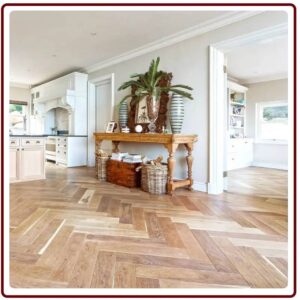
- Pattern selection: Herringbone or geometric patterns can add a sophisticated design element while maintaining functionality.
For example, integrating Herringbone flooring designs in vinyl surfaces can enhance visual appeal without compromising safety or performance.
Longevity and cost-effectiveness considerations
Sports vinyl flooring is recognized for its long lifespan and minimal maintenance requirements. Key points to consider include:
- Durability: Resistant to wear, impact, and moisture, vinyl flooring performs well under constant use.
- Maintenance cost savings: Low maintenance and easy cleaning reduce long-term labor and material expenses.
- Replacement flexibility: Modular sheets or planks allow for partial replacement instead of redoing the entire floor.
- Multipurpose use: A single vinyl surface can accommodate multiple sports or fitness activities, eliminating the need for specialized flooring in every zone.
Choosing the right material upfront ensures that the facility remains functional and visually appealing while maximizing long-term value.
Common mistakes to avoid when installing vinyl flooring
Even high-quality vinyl can underperform if installation errors occur. Common pitfalls include:
- Improper subfloor preparation: Uneven surfaces or moisture can lead to warping or lifting.
- Incorrect adhesive selection: Using the wrong adhesive can result in poor bonding or surface damage.
- Skipping acclimation: Failing to let vinyl adjust to the room’s climate can cause expansion or contraction issues.
- Neglecting seam alignment: Misaligned seams can compromise aesthetics and performance.
- Insufficient rolling: Air bubbles left under the flooring can create weak points that wear prematurely.
Avoiding these mistakes ensures that your sports vinyl flooring provides consistent safety, performance, and visual appeal for many years. Incorporating sports vinyl flooring ensures a well-engineered solution designed to perform optimally in both professional and recreational spaces.
Conclusion
Sports vinyl flooring offers a compelling combination of durability, safety, and design flexibility for athletic facilities. From shock absorption to ease of maintenance and aesthetic versatility, vinyl surfaces meet the demands of modern sports and fitness environments. By understanding its unique properties, proper installation techniques, and maintenance requirements, facilities managers can create safe, high-performing, and visually appealing spaces.
When thoughtfully selected and installed, sports vinyl flooring can serve a facility for many years, supporting multiple sports and activities while enhancing user experience. Incorporating quality materials, professional installation, and effective maintenance practices ensures a reliable and long-lasting flooring solution for any athletic environment.
FAQs
- What is sports vinyl flooring made of?
Sports vinyl flooring is primarily composed of PVC with additional layers for cushioning, durability, and surface texture. These layers provide shock absorption, slip resistance, and long-term resilience. - How does vinyl flooring benefit athletes?
Vinyl flooring reduces impact on joints, provides consistent traction, and creates a stable surface for movement, all of which enhance performance and reduce injury risk. - Can sports vinyl flooring be used outdoors?
While some specialized vinyl surfaces are designed for outdoor use, most sports vinyl flooring is intended for indoor applications due to exposure risks like UV degradation and moisture. - How do you clean and maintain sports vinyl flooring?
Regular sweeping, damp mopping with neutral cleaners, prompt spill management, and periodic inspection for damage help maintain safety, hygiene, and longevity. - What are the safety standards for sports vinyl flooring?
Sports vinyl flooring must meet standards for slip resistance, shock absorption, and fire safety. Compliance with local building codes and international flooring standards ensures safe usage. - How does Medical flooring enhance facility hygiene?
Medical-grade vinyl flooring provides seamless, easy-to-clean surfaces resistant to bacteria and contaminants, making it ideal for high-traffic or multi-use indoor sports areas. - Can Herringbone flooring designs be used in vinyl installations?
Yes, herringbone patterns can be incorporated into vinyl surfaces, enhancing visual appeal without compromising performance or safety. - Where can sports vinyl flooring be most effectively applied?
It is suitable for gyms, multipurpose courts, fitness centers, and indoor recreational areas where durability, safety, and aesthetics are priorities.