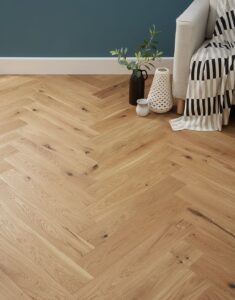
Wooden flooring is often associated with warmth, elegance, and timeless interior design—but in a city like Dubai, there’s an additional layer homeowners rarely consider: pest control treatments. The Truth About Wooden Flooring and Dubai’s Pest Control Treatments explores an important intersection between home aesthetics and environmental reality.
While wooden floors remain a popular choice for luxury villas and modern apartments, Dubai’s climate, combined with frequent pest management practices, can influence their durability, stability, and long-term performance.
From chemical treatments used for termites and insects to the impact of humidity and heat, these factors can subtly affect how wood behaves over time. Understanding this relationship is essential for anyone investing in wooden flooring in the UAE, ensuring both beauty and protection go hand in hand in a region where maintenance conditions are uniquely demanding.
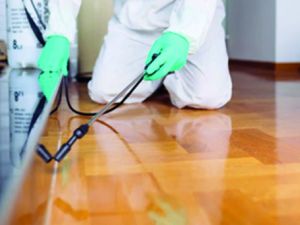
How Termite Species in UAE Attack Unprotected Wood Floors
In the UAE, subterranean termites are the most common threat to wooden flooring, especially in villas and ground-contact areas.
How they operate:
- Travel through soil and concrete micro-cracks
- Enter wood via expansion gaps or unsealed joints
- Feed on cellulose inside timber, not surface layers
- Work silently, often undetected for months
Unprotected floors with open edges or poor sealing become direct entry points, especially near skirting boards and service penetrations.
Why Annual Pest Fogging Damages Unsealed Flooring Joints
Routine fogging treatments can unintentionally harm flooring systems if joints are not properly sealed.
Key issues:
- Chemical penetration into open wood joints
- Breakdown of natural oils and finishes
- Swelling or drying of exposed edges
- Accelerated adhesive weakening in some installations
Over time, repeated exposure can degrade joint integrity, especially in solid wood or untreated engineered seams.
The Best Pre-Installation Borate Treatments for Dubai Concrete Slabs
Borate-based treatments are widely used as a preventive barrier against termites and wood-boring insects.
Key benefits:
- Penetrates wood fibers deeply
- Non-repellent (termites cannot detect it)
- Long-lasting protection when sealed properly
- Safe for indoor residential use when applied correctly
Application methods:
- Spray treatment on subfloor before installation
- Dip or brush application on timber components
- Combined with moisture barriers for slab protection
This step is especially important in ground-floor villas and high-risk zones.
How to Identify Powderpost Beetle Damage in Engineered Wood
Powderpost beetles attack wood from within, leaving subtle but distinctive signs.
Key indicators:
- Fine, talc-like powder near floor edges
- Tiny pinholes on surface grain
- Hollow-sounding areas when tapped
- Gradual weakening of localized sections
Damage often appears in hidden areas first, such as under furniture or near skirting lines, making early detection difficult.
Which Wood Species Are Naturally Pest-Resistant for Emirates Hills
Certain hardwoods offer natural resistance to termites and wood-boring insects.
More resistant species include:
- Teak
- Iroko
- White oak (moderate resistance)
- Cedar (natural aromatic repellence)
These woods contain natural oils or dense grain structures that make them less attractive to pests. However, in Dubai’s climate, even resistant woods still benefit from chemical or borate treatment.
Why Solid Wood Flooring Is a Pest Magnet vs Engineered Alternatives
Solid wood provides a continuous organic structure, which makes it more vulnerable to pest penetration.
Key reasons:
- Uniform cellulose-rich structure throughout plank
- Larger mass of edible material for termites
- More expansion gaps in traditional installations
- Higher moisture absorption compared to engineered layers
Engineered wood reduces risk because:
- Cross-laminated layers disrupt insect pathways
- Factory-sealed surfaces limit entry points
- Thinner wear layers reduce available food source
The Correct Way to Seal Gaps After Pest Control Visits
Post-treatment sealing is critical to prevent reinfestation.
Best practices:
- Use flexible silicone or polyurethane sealants
- Seal skirting-floor junctions thoroughly
- Avoid hard fillers that crack under movement
- Ensure complete drying before resealing
Proper sealing blocks re-entry paths and protects treated areas from environmental exposure.
What Dubai Building Management Won’t Tell You About Shared Wall Infestations
In multi-unit buildings, pests can migrate between apartments through shared structural paths.
Common hidden pathways:
- Electrical conduit channels
- Plumbing risers
- Expansion joints in concrete slabs
- Ceiling voids and service shafts
Infestations often appear localized but originate from adjacent units, making coordination between building management and multiple tenants essential for full control.
Natural Pest Deterrents That Won’t Harm Your Wood Floors
Natural deterrents can complement, but not replace, professional treatments.
Common options:
- Cedar oil and cedar blocks
- Neem oil surface treatments
- Clove and citrus-based repellents
- Proper ventilation and humidity control
Natural solutions are best used as preventive maintenance rather than primary protection in high-risk environments like Dubai villas and ground-level properties.
Frequently Asked Questions
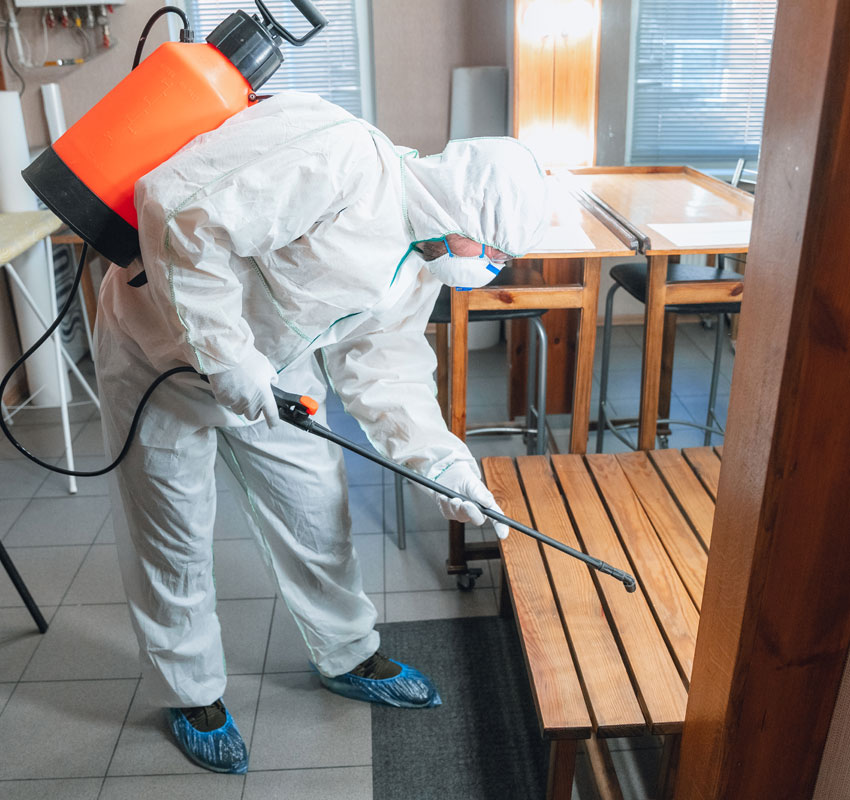
Does pest control spray damage wooden flooring in Dubai?
Yes, many solvent-based sprays seep into gaps and weaken adhesives. Request water-based treatments.
Can termites eat engineered wood flooring in Arabian Ranches?
They can eat the wood veneer but not the plywood core (treated with adhesives that deter termites).
How do I know if my wood floors have termites in Dubai?
Tap for hollow sounds, look for mud tubes on baseboards, or see fine sawdust (frass) near walls.
What’s the best wood species to resist Dubai pests?
Teak, iroko, and thermally modified ash are naturally pest-repellent and available in the UAE.
Should I treat my concrete subfloor before wood installation?
Yes. Apply a borate-based spray to the slab before underlayment to create a pest barrier.
How often should I inspect my wooden floors for pests in Dubai?
Every several months, especially in garden-level villas in JVC or Arabian Ranches.
Can fumigation for other pests ruin my wood flooring?
Yes. Sulfuryl fluoride gas used for drywood termites doesn’t harm wood, but heat treatments can warp planks.
Is bamboo flooring safer from pests than oak in UAE?
Bamboo is grass-based and less attractive to termites, but lower-quality bamboo may still be vulnerable.
What’s the warranty coverage for pest damage on Dubai wood floors?
Almost none. Standard warranties exclude pest damage. Pre-treatment is your only protection.