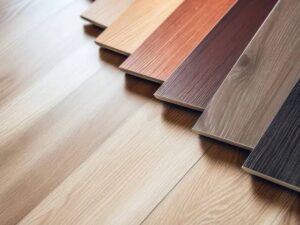
Soundproof Wood Flooring Solutions for Dubai Apartment Buildings help reduce noise transmission while maintaining the elegance of natural wood interiors. In Dubai’s rapidly growing skyline, apartment living has become the preferred choice for many residents seeking comfort and modern lifestyles. One of the biggest challenges in high-rise buildings is footstep and impact noise between units. Installing soundproof wood flooring with high-quality acoustic underlays improves noise reduction, enhances living comfort, and creates a quieter indoor environment without sacrificing style. Designed with advanced acoustic underlayments and engineered wood technologies, these flooring systems help reduce noise while maintaining the elegant aesthetic of natural wood.
For Dubai apartments, where comfort and privacy are top priorities, investing in sound-insulating flooring is no longer a luxury but a necessity. Whether you are renovating a home or upgrading a new apartment unit, soundproof wood flooring offers the perfect balance between style, durability, and acoustic performance, creating a quieter and more peaceful living environment in the heart of the city.
Understanding Dubai’s Building Code Acoustic Requirements
Acoustic performance has become an increasingly important consideration in Dubai’s residential and commercial construction sector. Modern buildings are designed to provide occupants with greater comfort, privacy, and protection from unwanted noise transmission between units.
Flooring systems play a significant role in achieving these objectives because impact sounds such as footsteps, moving furniture, and dropped objects can travel through building structures if proper acoustic measures are not implemented. Developers, architects, and contractors typically consider acoustic performance during the design stage to ensure compliance with project specifications and community standards.
When renovating or replacing flooring, property owners should understand how new materials may affect overall sound insulation. Acoustic underlayments, proper installation methods, and perimeter treatments all contribute to improved noise control. By selecting flooring systems designed with sound reduction in mind, homeowners can enhance living comfort while helping maintain the acoustic performance expected in modern Dubai properties.

The Best Acoustic Underlayment Ratings for Impact Noise Reduction
Acoustic underlayment is one of the most effective tools for reducing impact noise in residential and commercial spaces. These specialized materials are installed beneath wood flooring to absorb vibrations generated by footsteps and everyday activity.
When evaluating acoustic underlayments, impact sound performance is often one of the primary considerations because it directly affects comfort levels in multi-story buildings. Higher-performing products generally provide better sound absorption and improved isolation between floors. Materials such as rubber, cork, foam composites, and advanced acoustic membranes are commonly used depending on project requirements.
The ideal underlayment should balance sound reduction, durability, moisture resistance, and compatibility with the chosen flooring system. Property owners often benefit from consulting flooring specialists to determine the most suitable option for their specific environment. Investing in quality acoustic underlayment can significantly enhance indoor comfort while reducing disturbances for occupants in neighboring units.
Why Floating Floors Perform Better Than Glue-Down for Sound
Floating floor systems are frequently preferred when acoustic performance is a priority because they help isolate the finished flooring from the structural substrate beneath. Unlike glue-down installations, which create a direct bond between the flooring and the underlying surface, floating floors incorporate an intermediate layer that absorbs vibrations and reduces sound transmission.
This separation can significantly improve impact noise performance, making floating systems particularly beneficial in apartments and multi-level homes. Acoustic underlayments used beneath floating floors further enhance noise reduction by cushioning foot traffic and minimizing vibration transfer. In addition to sound-control benefits, floating floors often provide easier installation and greater flexibility during renovations.
Homeowners seeking quieter interiors frequently choose floating systems because they combine practical installation advantages with improved acoustic comfort. Proper installation remains essential to ensure that the flooring system performs effectively and delivers the intended noise-reduction benefits.
How to Achieve Airborne Noise Reduction for Music Rooms
Airborne noise reduction is especially important in spaces dedicated to music, entertainment, or other activities that generate significant sound. Unlike impact noise, airborne noise travels through the air before passing through walls, ceilings, and floors. Effective control requires a combination of materials and construction techniques that limit sound transmission.
Flooring systems can contribute to overall acoustic performance when paired with specialized underlayments and sound-insulating layers. Additional measures may include acoustic wall treatments, insulated partitions, and carefully sealed construction joints. Doors, windows, and ventilation openings should also be evaluated because sound can travel through even small gaps.
For homeowners creating music rooms, home theaters, or recording spaces, a comprehensive acoustic strategy is often necessary to achieve satisfactory results. By addressing both airborne and structural sound pathways, property owners can create more comfortable environments while minimizing noise disturbance in adjacent rooms and neighboring properties.
The Role of Mass Loaded Vinyl Under Wood Flooring
Mass Loaded Vinyl, often referred to as MLV, is a dense sound-control material frequently used to improve acoustic performance beneath wood flooring systems. Its primary function is to add mass to the floor assembly, helping reduce the transmission of both airborne and impact noise.
Because sound energy struggles to pass through dense materials, MLV can contribute significantly to quieter indoor environments when incorporated into a properly designed flooring system. The material is often combined with acoustic underlayments to create multiple layers of sound insulation.
In apartments, villas, and commercial spaces, MLV is valued for its ability to enhance acoustic performance without adding substantial floor height. Proper installation is essential to maximize effectiveness and prevent sound from bypassing the material through gaps or weak points. When used appropriately, Mass Loaded Vinyl can help create more peaceful interiors while improving overall acoustic comfort.
Why Cork Underlayment Is Popular for Dubai Family Apartments
Cork underlayment has become a popular choice in Dubai family apartments because it offers a combination of acoustic performance, comfort, and environmental benefits. The natural cellular structure of cork helps absorb sound vibrations, making it effective at reducing impact noise generated by daily household activities.
Families often appreciate its ability to minimize footstep sounds and improve overall living comfort in multi-story residential buildings. In addition to acoustic benefits, cork provides a slightly cushioned walking surface that enhances underfoot comfort. Its natural resilience allows it to maintain performance over extended periods of use.
Cork also contributes to thermal insulation, helping create a more comfortable indoor environment. Because it is compatible with many wood flooring systems, cork remains a versatile solution for homeowners seeking improved acoustic performance. Its balance of practicality, durability, and sound reduction continues to support its popularity across residential projects in Dubai.
How Perimeter Acoustic Sealant Prevents Sound Leaks
Even high-quality flooring materials can experience reduced acoustic effectiveness if sound is allowed to escape through perimeter gaps. Acoustic sealants are specifically designed to address this issue by sealing joints and expansion spaces around the edges of the floor assembly.
These flexible materials help prevent sound vibrations from traveling through small openings between flooring systems and surrounding walls or structures. Without proper perimeter sealing, sound can bypass acoustic underlayments and other noise-control components, reducing overall performance. Acoustic sealants remain flexible over time, allowing flooring systems to expand and contract without compromising the seal.
They are commonly used in residential, commercial, and specialized acoustic projects where sound control is a priority. By addressing potential leakage points, perimeter acoustic sealants contribute to a more complete and effective sound-insulation strategy. Their role may seem minor, but they often provide a significant improvement in overall acoustic results.
What Thickness of Engineered Wood Blocks Noise Best
The thickness of engineered wood flooring can influence acoustic performance, although it is only one component of an effective sound-control system. Generally, thicker engineered wood boards provide greater mass, which can help reduce sound transmission and create a more solid feel underfoot. Increased thickness may also contribute to improved impact resistance and overall flooring stability.
However, acoustic performance depends on multiple factors, including the quality of the underlayment, installation method, substrate condition, and surrounding building structure. A thinner floor installed over a high-performance acoustic underlayment may outperform a thicker floor paired with inadequate sound-control materials.
Homeowners should therefore evaluate the flooring system as a whole rather than focusing exclusively on board thickness. Professional guidance can help identify the optimal balance between aesthetics, performance, and budget. Selecting an appropriate engineered wood thickness contributes to a quieter and more comfortable living environment when combined with proper acoustic design.
Testing Your Floor After Installation: What to Expect
Acoustic performance should be evaluated after installation to confirm that the flooring system meets expectations and performs as intended. Post-installation testing may involve assessing both impact noise and airborne sound transmission depending on project requirements. Homeowners often notice immediate improvements in comfort, including reduced footstep noise and fewer sound disturbances between rooms or floors.
Professional testing may be conducted using specialized equipment that measures sound levels under controlled conditions. These assessments help identify any areas where sound leakage or installation issues may be affecting performance. Minor adjustments, such as sealing gaps or addressing transitions, can sometimes enhance acoustic results further.
Beyond formal testing, everyday observation provides valuable insight into how effectively the flooring system manages noise. By evaluating acoustic performance after installation, property owners can ensure that their investment delivers the desired level of comfort, privacy, and long-term satisfaction.

Frequently Asked Questions
What is the legal noise limit for wooden floors in Dubai apartments?
Impact sound pressure level must not exceed a certain decibel limit when tested with a tapping machine.
Can I install wooden floors in an apartment with noise complaints?
Yes, if you use certified acoustic underlayment and follow building management’s approved specifications.
What’s the best underlayment for reducing footsteps in JLT?
High-density rubber or recycled felt underlayment with a minimum dynamic stiffness rating.
Does thicker wood plank reduce noise transmission?
Slightly, but underlayment has a much greater impact than plank thickness or wood species.
How much does acoustic underlayment cost in Dubai?
Premium acoustic underlayment adds a moderate per-sq-ft cost to the project.
Can I add soundproofing after wood floors are already installed?
No, underlayment must be installed beneath the flooring. Retrofit solutions are limited to rugs.
Why do some Dubai buildings ban certain underlayment types?
Some foam underlayments compress over time and lose acoustic performance, violating building codes.
What is the difference between IIC and STC ratings for flooring?
IIC measures impact noise (footsteps); STC measures airborne noise (voices, TV). Both matter in apartments.
Do area rugs help with noise complaints in Dubai apartments?
Yes, large rugs with thick pads reduce impact noise significantly and are a low-cost solution.