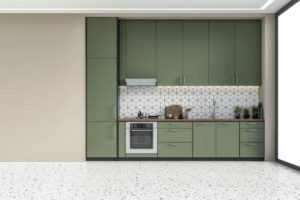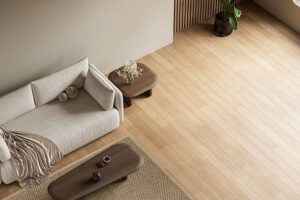
When choosing the right flooring solution for homes, offices, retail stores, or commercial spaces, property owners often compare affordability, durability, and aesthetics before making a decision. Among the many flooring options available today, MDF Flooring has gained attention for its cost-effectiveness, versatility, and attractive appearance. Whether you are renovating a villa in Dubai, upgrading an apartment in Abu Dhabi, or designing a commercial space in Sharjah, understanding the strengths and limitations of MDF flooring can help you make a more informed decision.
Modern flooring solutions are designed to balance functionality and style, and MDF flooring is no exception. It offers a smooth surface, customizable finishes, and a budget-friendly alternative to solid hardwood flooring. However, like any flooring material, it comes with specific advantages and disadvantages that should be considered before installation.
For homeowners and business owners exploring different flooring materials, learning more about MDF Flooring options can provide valuable insights into suitable alternatives and complementary flooring solutions. This guide explores everything you need to know about MDF flooring, including its benefits, drawbacks, applications, maintenance requirements, and best uses in the UAE market.
What Is MDF Flooring?
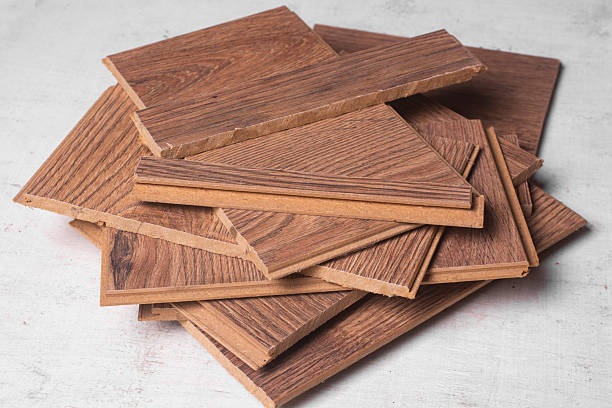
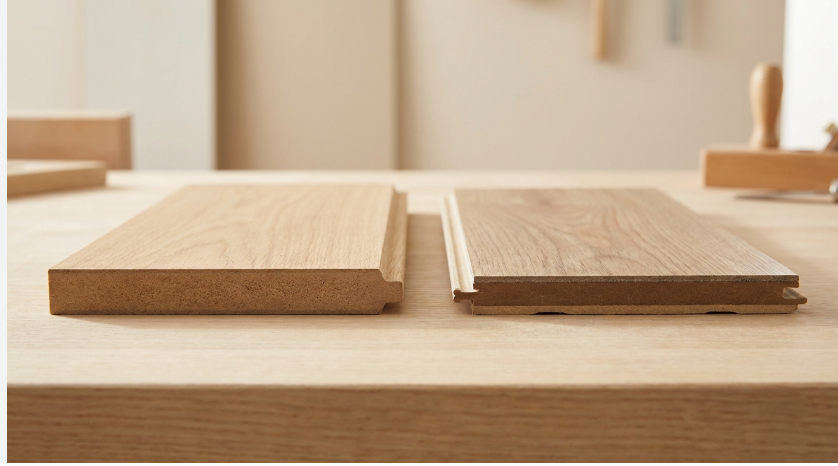
MDF stands for Medium-Density Fiberboard, an engineered wood product manufactured by compressing wood fibers, resin, and wax under high pressure and temperature. The result is a dense, smooth board with consistent thickness and structure.
Unlike natural hardwood, MDF is made from recycled wood fibers, making it a more economical option. MDF flooring is often used as a core layer in laminate flooring systems or engineered flooring products.
How MDF Is Manufactured
The manufacturing process includes:
- Breaking down hardwood and softwood fibers.
- Combining fibers with adhesive resins.
- Compressing the mixture under extreme pressure.
- Cutting and finishing boards according to specifications.
This process creates a stable material with uniform density and minimal imperfections.
Key Advantages of MDF Flooring
MDF flooring offers several benefits that make it attractive for residential and commercial projects.
Affordable Pricing
One of the biggest reasons property owners choose MDF flooring is affordability. Compared to solid hardwood flooring, MDF products are significantly less expensive while still delivering a stylish appearance.
For example:
- Apartment renovations in Dubai can achieve a premium look without exceeding budget limits.
- Retail stores can reduce renovation costs while maintaining visual appeal.
Smooth Surface Finish
Because MDF contains no knots or grain inconsistencies, it provides a smooth and even surface that is ideal for decorative finishes and laminates.
Eco-Friendly Production
Many MDF products are manufactured using recycled wood fibers, reducing waste and maximizing resource utilization.
MDF Flooring in UAE Homes
The UAE’s climate presents unique challenges for flooring materials. High temperatures and occasional humidity fluctuations can affect performance.
Popular Residential Applications
MDF flooring is commonly used in:
- Bedrooms
- Living rooms
- Home offices
- Guest rooms
- Apartment interiors
Many Dubai homeowners appreciate its modern appearance and affordable installation costs.
Suitability for Apartments
Because MDF flooring offers sound insulation and visual appeal, it is frequently installed in residential towers throughout Dubai Marina, Downtown Dubai, and Abu Dhabi.
MDF Flooring for Commercial Spaces
Commercial properties often require flooring solutions that balance cost and aesthetics.
Offices
Corporate offices benefit from MDF flooring because it creates a professional appearance while remaining budget-friendly.
Retail Stores
Retail environments use MDF flooring to achieve attractive interiors without excessive investment.
Examples include:
- Boutique stores
- Beauty salons
- Showrooms
- Small cafés
The flooring provides a clean and welcoming environment for customers.
Common Disadvantages of MDF Flooring
Despite its advantages, MDF flooring has several limitations.
Moisture Sensitivity
MDF absorbs moisture more readily than many other flooring materials.
Potential issues include:
- Swelling
- Warping
- Surface damage
This makes MDF flooring less suitable for bathrooms and areas exposed to frequent water spills.
Limited Lifespan
Compared to hardwood flooring, MDF flooring generally has a shorter lifespan, especially in high-traffic environments.
Heavy furniture and repeated impacts may accelerate wear.
Durability and Performance of MDF Flooring
The durability of MDF flooring depends largely on product quality and installation methods.
Factors Affecting Durability
Key factors include:
- Density of the MDF core
- Surface protection layer
- Foot traffic volume
- Maintenance practices
High-quality MDF flooring products can perform reliably for many years in residential settings.
For property owners researching different flooring materials, exploring MDF Flooring solutions alongside alternative flooring products can help identify the best fit for specific requirements.
Daily Wear Resistance
Modern MDF flooring often includes protective coatings that improve resistance to:
- Scratches
- Stains
- Minor impacts
These features enhance long-term performance in homes and offices.
Installation Process and Requirements
One reason MDF flooring remains popular is its relatively straightforward installation.
Typical Installation Steps
- Prepare the subfloor.
- Install moisture barriers if required.
- Lay underlayment materials.
- Position flooring panels.
- Secure and finish edges.
Professional installation helps maximize lifespan and appearance.
Installation Time
Most residential projects can be completed within a few days, depending on room size and complexity.
This quick turnaround appeals to homeowners seeking minimal disruption.
Maintenance Tips for MDF Flooring
Proper maintenance significantly improves the lifespan of MDF flooring.
Cleaning Best Practices
Recommended cleaning methods include:
- Dry sweeping
- Vacuuming with soft attachments
- Damp mopping with minimal water
Avoid excessive moisture during cleaning.
Preventive Measures
To protect MDF flooring:
- Use furniture pads.
- Place mats at entrances.
- Clean spills immediately.
- Avoid dragging heavy furniture.
These simple measures reduce wear and preserve appearance.
Best Rooms and Applications for MDF Flooring
Certain environments are particularly well-suited for MDF flooring installations.
Ideal Indoor Spaces
MDF flooring works best in:
- Bedrooms
- Home offices
- Libraries
- Meeting rooms
- Reception areas
These locations generally experience controlled humidity levels.
Decorative Projects
Interior designers frequently use MDF flooring in modern and contemporary design schemes because of its uniform appearance and flexibility.
For example, luxury apartments in Dubai often incorporate MDF flooring to achieve elegant interiors while maintaining budget efficiency.
MDF Flooring and Interior Design Trends
Modern interior design emphasizes clean lines, functionality, and aesthetic consistency.
Popular Design Styles
MDF flooring complements:
- Scandinavian interiors
- Contemporary designs
- Minimalist spaces
- Modern urban apartments
Its smooth finish pairs well with modern furniture and décor.
Color and Finish Options
Available finishes often include:
- Oak-inspired tones
- Walnut appearances
- Grey wood effects
- Light natural wood styles
These options allow homeowners to customize spaces according to personal preferences.
Is MDF Flooring the Right Choice for You?
The answer depends on your priorities, budget, and intended application.
MDF flooring may be an excellent choice if you want:
- Affordable flooring
- Attractive appearance
- Easy maintenance
- Fast installation
However, alternative flooring solutions may be preferable if you require:
- Exceptional moisture resistance
- Long-term durability
- Heavy commercial performance
Carefully evaluating your project’s requirements will help determine whether MDF flooring aligns with your expectations.
Key Takeaways
- MDF flooring is an engineered wood product made from compressed wood fibers.
- It is more affordable than solid hardwood flooring.
- It provides a smooth and attractive appearance.
- It works well in bedrooms, offices, and living areas.
- Moisture exposure remains its primary limitation.
- Proper maintenance significantly extends its lifespan.
- It is widely used in UAE residential and commercial projects.
Choosing the Best Flooring Solution for Your Property
Selecting the right flooring is an important investment that affects aesthetics, comfort, maintenance, and long-term value. MDF flooring remains a practical choice for homeowners and businesses seeking a balance between affordability and visual appeal. Its versatility, easy installation, and wide range of finishes make it suitable for many interior environments across the UAE.
If you are evaluating flooring options for a residential or commercial project, explore professional MDF Flooring solutions and alternative flooring materials to find the perfect match for your design goals, performance requirements, and budget. Expert guidance can help ensure a flooring investment that enhances your property for years to come.
Frequently Asked Questions
1. What is MDF flooring made of?
MDF flooring is made from compressed wood fibers combined with resin and wax under high pressure and temperature.
2. Is MDF flooring suitable for UAE homes?
Yes, MDF flooring is suitable for many UAE homes, particularly in bedrooms, living rooms, and home offices where moisture exposure is limited.
3. Is MDF flooring cheaper than hardwood flooring?
Yes, MDF flooring is generally much more affordable than solid hardwood flooring.
4. Can MDF flooring be used in commercial spaces?
Yes, MDF flooring is commonly installed in offices, retail stores, showrooms, and other light commercial environments.
5. How long does MDF flooring last?
With proper maintenance, quality MDF flooring can last many years in residential applications.
6. Is MDF flooring waterproof?
No, MDF flooring is not waterproof and can be damaged by prolonged moisture exposure.
7. How do you clean MDF flooring?
Regular sweeping, vacuuming, and damp mopping with minimal water are recommended.
8. Does MDF flooring scratch easily?
High-quality MDF flooring with protective coatings offers reasonable scratch resistance, although heavy impacts can still cause damage.
9. What rooms are best for MDF flooring?
Bedrooms, living rooms, home offices, libraries, and reception areas are among the best spaces for MDF flooring.
10. Can MDF flooring increase property appeal?
Yes, MDF flooring can enhance the appearance of interiors and contribute to a more attractive living or working environment.