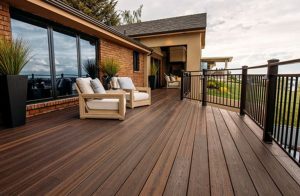
Every detail matters when creating a beautiful and functional interior space. While flooring, wall finishes, and furniture often receive the most attention, wooden skirting is one of the essential finishing elements that can dramatically transform the overall appearance of a room. By creating a seamless transition between walls and floors, wooden skirting adds elegance, protection, and visual harmony to residential and commercial interiors alike.
In the UAE, where modern architecture and luxury interior design are highly valued, wooden skirting has become a popular choice among homeowners, property developers, interior designers, and business owners. Whether installed in a luxury villa in Dubai Hills, a stylish apartment in Downtown Dubai, or a premium office space in Business Bay, wooden skirting enhances aesthetics while offering practical benefits.
Besides improving visual appeal, skirting boards help protect walls from damage, conceal expansion gaps, and create a polished finish that elevates the overall design. Property owners seeking premium finishing solutions often choose Wooden Skirting to complement wood, laminate, vinyl, and engineered flooring installations while maintaining a sophisticated and timeless look.
What Is Wooden Skirting?
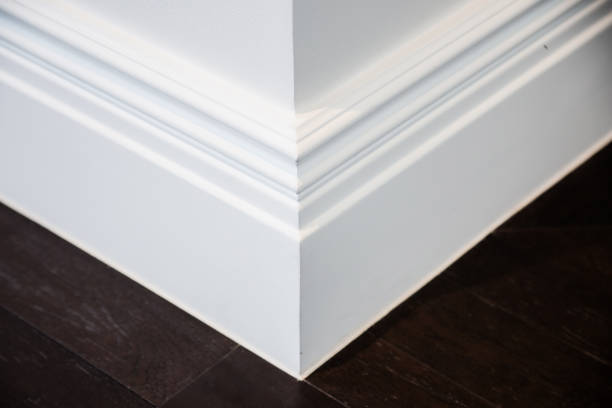
Wooden skirting refers to the decorative board installed at the junction where the wall meets the floor. It acts as both a protective barrier and a design feature that completes the appearance of a room.
Traditionally used in classic interiors, wooden skirting has evolved into a versatile architectural element suitable for modern, contemporary, and luxury spaces.
Main Functions of Wooden Skirting
The primary purposes include:
- Protecting walls from furniture damage
- Concealing flooring expansion gaps
- Covering uneven wall edges
- Improving interior aesthetics
- Creating a finished appearance
These practical and decorative benefits make wooden skirting an essential component of high-quality interior design.
Why Wooden Skirting Is Important in Interior Design
Interior design is about achieving balance, proportion, and cohesion. Wooden skirting helps tie various design elements together by creating a clean visual connection between walls and flooring.
Without skirting boards, rooms can appear incomplete or unfinished. Small gaps, rough edges, and visible flooring joints may detract from an otherwise beautiful space.
Enhancing Architectural Detail
Wooden skirting introduces subtle architectural detail that enhances:
- Wall definition
- Floor transitions
- Room symmetry
- Design continuity
This attention to detail contributes significantly to a more refined interior environment.
How Wooden Skirting Improves Aesthetic Appeal
One of the biggest reasons homeowners choose wooden skirting is its ability to enhance visual appeal.
Natural wood brings warmth, texture, and sophistication to interior spaces. Whether stained, painted, or finished with natural veneers, wooden skirting creates a polished look that complements a wide range of décor styles.
Creating Visual Balance
Wooden skirting helps establish balance by framing the room and creating clear boundaries between surfaces.
For example:
- White skirting complements modern minimalist interiors.
- Dark walnut skirting enhances luxury spaces.
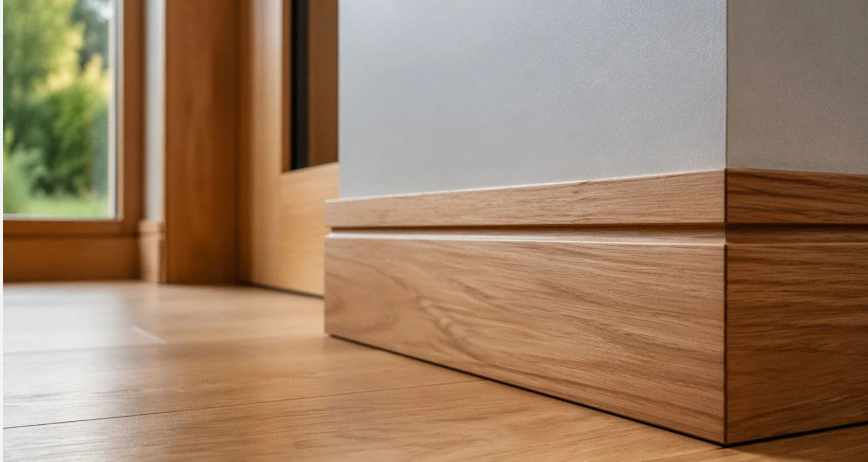
- Natural oak skirting supports Scandinavian-inspired designs.
These design choices contribute to a cohesive and elegant appearance.
Wooden Skirting Complements Various Flooring Types
One of the greatest advantages of wooden skirting is its compatibility with numerous flooring materials.
Whether you’re installing hardwood flooring, laminate, engineered wood, or luxury vinyl planks, wooden skirting can be customized to match the overall design.
Popular Flooring Pairings
Common combinations include:
- Oak flooring with oak skirting
- Walnut flooring with dark wood skirting
- Grey laminate flooring with painted white skirting
- Engineered wood flooring with matching skirting
This versatility makes wooden skirting suitable for virtually any interior project.
Wooden Skirting Provides Practical Wall Protection
Beyond aesthetics, wooden skirting serves an important protective function.
Walls are frequently exposed to damage from vacuum cleaners, furniture movement, children’s toys, and daily foot traffic.
Preventing Common Damage
Wooden skirting protects against:
- Scratches
- Scuff marks
- Minor impacts
- Cleaning equipment damage
In busy UAE households and commercial properties, this added protection helps maintain wall finishes and reduce maintenance costs.
Wooden Skirting for Luxury Dubai Interiors
Dubai is renowned for its luxurious residential and commercial developments. Interior finishes play a major role in maintaining premium property standards.
Wooden skirting is commonly featured in high-end villas, penthouses, hotels, and executive offices because of its elegant appearance and long-lasting performance.
Applications in Premium Properties
Luxury spaces often use:
- Tall skirting profiles
- Decorative moldings
- Natural hardwood finishes
- Custom-painted skirting
Many interior designers recommend premium Wooden Skirting solutions to achieve a sophisticated finish that aligns with Dubai’s upscale design expectations.
Popular Wooden Skirting Styles
Modern manufacturers offer a wide variety of skirting profiles to suit different architectural styles.
Choosing the right profile can significantly influence the overall design impact.
Traditional Profiles
Traditional styles typically feature decorative details such as:
- Curved edges
- Beveled surfaces
- Ornamental moldings
These are commonly used in classic villas and luxury residences.
Contemporary Profiles
Modern interiors often favor:
- Flat skirting boards
- Square-edge designs
- Minimalist profiles
- Shadow-gap styles
These options create a clean and streamlined appearance.
Choosing the Right Height for Wooden Skirting
Skirting height is an important design consideration that affects visual proportion.
Larger rooms with higher ceilings often benefit from taller skirting boards, while smaller spaces may require more modest dimensions.
General Height Guidelines
Choosing the right skirting height is important for achieving a balanced and attractive interior design. While personal preference and architectural style play a role, there are some general guidelines that can help.
50–75 mm (2–3 inches): Suitable for modern, minimalist spaces and rooms with lower ceilings. This height provides a clean and subtle finish without drawing too much attention.
75–120 mm (3–5 inches): The most common choice for residential properties. It offers a balanced appearance and works well with a wide variety of flooring types and interior styles.
120–200 mm (5–8 inches): Ideal for larger rooms, high ceilings, and traditional or luxury interiors. Taller skirting boards create a more decorative and elegant look while adding visual depth to the space.
Over 200 mm (8 inches): Often used in period properties, grand homes, and commercial spaces where a bold architectural statement is desired.
Factors to Consider
Ceiling Height: Higher ceilings generally pair better with taller skirting boards.
Room Size: Larger rooms can accommodate wider and taller skirting profiles without appearing overwhelming.
Interior Style: Modern interiors often favor lower, simpler skirting, while classic designs benefit from taller and more decorative options.
Door Frames and Trim: Ensure the skirting height complements other architectural elements for a cohesive appearance.
Selecting the appropriate skirting height helps create visual harmony and enhances the overall design of your interior space.
Wooden Skirting and Color Coordination
Color plays a significant role in interior design success.
Wooden skirting can either blend seamlessly with walls and flooring or create intentional contrast.
Matching Colors
Matching skirting with flooring creates:
- Visual continuity
- Elegant transitions
- Unified design schemes
Contrasting Colors
Contrasting skirting offers:
- Strong visual definition
- Architectural emphasis
- Contemporary styling
White skirting against darker flooring remains one of the most popular choices in UAE residential interiors.
Installation Considerations for Wooden Skirting
Professional installation is essential to achieve a flawless appearance.
Even high-quality materials can look unprofessional if installed incorrectly.
Installation Best Practices
Professional installers typically:
- Measure accurately
- Prepare wall surfaces
- Use precise corner joints
- Apply appropriate adhesives
- Finish joints cleanly
Proper installation improves both appearance and long-term durability.
Maintenance and Longevity of Wooden Skirting
Wooden skirting is relatively easy to maintain when properly finished.
Routine care helps preserve its beauty and structural integrity for many years.
Simple Maintenance Tips
To keep wooden skirting looking its best:
- Dust regularly
- Wipe with a damp cloth
- Avoid excessive moisture
- Touch up paint or finish when needed
Long-Term Durability
Quality wooden skirting can last for decades when:
- Professionally installed
- Properly maintained
- Protected from excessive water exposure
This durability makes it a valuable long-term investment.
Wooden Skirting vs Other Skirting Materials
Wooden skirting is a classic and versatile choice for finishing the junction between walls and floors. It not only enhances the appearance of a room but also protects walls from scuffs, impacts, and everyday wear. When compared to other skirting materials, wooden skirting offers unique advantages as well as some considerations.
One of the main benefits of wooden skirting is its natural and elegant appearance. It complements hardwood, laminate, and engineered wood floors while adding warmth and character to any interior. Wooden skirting can also be painted, stained, or refinished, allowing homeowners to customize its look over time.
Compared to MDF skirting, wooden skirting is generally more durable and resistant to impact damage. However, MDF is often more affordable and provides a smooth surface for painting. Moisture-resistant MDF options are also available for specific environments.
PVC skirting is another popular alternative. It offers excellent water resistance and requires minimal maintenance, making it ideal for bathrooms, kitchens, and other humid areas. While practical, PVC may not achieve the same premium and natural appearance as real wood.
Aluminum skirting is commonly used in modern and commercial interiors. It is highly durable, corrosion-resistant, and easy to maintain. However, its sleek industrial style may not suit every design preference.
Overall, wooden skirting remains a preferred option for those seeking a timeless, high-quality finish. While other materials may offer lower costs or greater moisture resistance, wooden skirting stands out for its beauty, durability, and ability to enhance the overall aesthetic of a space.
Key Takeaways
- Wooden skirting enhances both aesthetics and functionality.
- It protects walls from everyday damage.
- Multiple styles suit traditional and modern interiors.
- It complements a wide range of flooring materials.
- Proper color coordination improves design consistency.
- Professional installation ensures optimal results.
- Wooden skirting is widely used in luxury UAE properties.
- Long-term durability makes it a worthwhile investment.
Elevate Your Interior with Premium Wooden Skirting
Whether you’re renovating a home, designing a luxury villa, upgrading a commercial office, or completing a new construction project, wooden skirting is one of the most effective ways to enhance the appearance of any interior. Its ability to combine elegance, protection, and architectural detail makes it an essential finishing element for modern spaces.
From creating seamless floor-to-wall transitions to protecting walls and increasing property appeal, wooden skirting offers benefits that extend far beyond aesthetics. If you’re looking to achieve a refined and professional finish for your next interior project, explore high-quality Wooden Skirting solutions designed to complement the style, durability, and luxury standards expected in UAE properties.
Frequently Asked Questions
1. What is wooden skirting used for?
Wooden skirting is used to protect walls, conceal flooring gaps, and enhance the visual appearance of interior spaces.
2. Is wooden skirting suitable for modern interiors?
Yes. Modern wooden skirting profiles are available in minimalist designs that complement contemporary interiors.
3. What flooring types work best with wooden skirting?
Wooden skirting pairs well with hardwood, laminate, engineered wood, and luxury vinyl flooring.
4. How long does wooden skirting last?
With proper installation and maintenance, wooden skirting can last for decades.
5. Can wooden skirting be painted?
Yes. Wooden skirting can be painted or stained to match walls, flooring, or interior décor.
6. What is the ideal height for wooden skirting?
The ideal height depends on room size and ceiling height, typically ranging from 70 mm to 180 mm.
7. Is wooden skirting expensive?
Costs vary depending on the material and profile, but wooden skirting generally offers excellent long-term value.
8. Does wooden skirting increase property value?
Professionally installed wooden skirting can improve aesthetics and contribute positively to property appeal.
9. Can wooden skirting be installed in offices?
Yes. Wooden skirting is commonly used in offices, hotels, retail stores, and residential properties.
10. How do I maintain wooden skirting?
Regular dusting, gentle cleaning, and occasional touch-ups help maintain its appearance and durability.