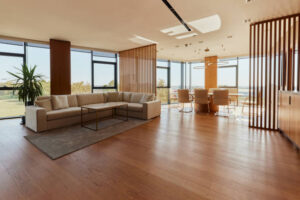
Selecting the right flooring for sports facilities is a crucial decision that affects both performance and safety. From professional gyms to community sports halls, the flooring material you choose can significantly influence the comfort, durability, and usability of the space. Understanding the various types of sports flooring, their features, and maintenance requirements ensures that the facility serves athletes efficiently for years to come.

In Dubai, where high-performance sports centers are increasingly popular, facility managers and designers face unique challenges. Factors such as climate, foot traffic, and activity type must all be considered. This guide offers an in-depth look at how to choose the best sports flooring in Dubai, helping you make an informed, practical decision for your sports environment.
From construction materials to installation techniques and maintenance practices, each element plays a critical role in optimizing performance and safety. By following these insights, you can create an athletic space that is both resilient and comfortable for all users.
Key features that make sports flooring ideal for gyms and courts
Sports flooring must meet specific functional requirements to support a variety of athletic activities. Key features to look for include:
- Shock absorption: Reduces the impact on joints during high-intensity activities such as basketball, aerobics, or running.
- Slip resistance: Ensures safety during fast movements, especially when athletes are sweating or surfaces are wet.
- Durability: High-quality flooring resists wear and tear from continuous foot traffic and heavy sports equipment.
- Acoustic performance: Minimizes noise, which is especially important in indoor gyms and multi-use sports halls.
- Easy maintenance: Surfaces that are easy to clean and disinfect help maintain hygiene standards.
Materials like hardwood, vinyl, and rubber are often used because they balance performance, safety, and longevity. Modern innovations in flooring technology also provide enhanced comfort and impact resistance. Choosing the right combination of these features ensures athletes can perform at their best while minimizing injury risks.
Different materials used in sports flooring and their benefits
Understanding the different materials available is essential to selecting the most appropriate flooring. Each type offers unique benefits depending on usage and location.
- Hardwood Flooring: Traditional and widely used in basketball and indoor sports courts. Offers excellent ball bounce and a comfortable feel underfoot.
- Rubber Flooring: Popular for gyms and training centers due to its shock absorption, durability, and slip-resistant properties.
- Vinyl Flooring: Lightweight and versatile, vinyl can mimic wood or other textures while offering easy maintenance and hygienic properties.
- Polyurethane and Epoxy Coatings: Provide seamless, durable surfaces ideal for multipurpose indoor sports areas. They are resistant to chemicals and moisture, making them suitable for high-use environments.
Advanced options, such as Industrial Epoxy Flooring, offer additional durability and are especially suitable for spaces with heavy machinery or multipurpose facilities. Understanding the pros and cons of each material allows facility managers to tailor the flooring choice to the specific needs of their users.
Installation techniques to ensure durability and safety
The performance of sports flooring is highly dependent on proper installation. Incorrect installation can compromise both safety and longevity.
- Subfloor Preparation: Ensure the base is level, clean, and free from moisture to prevent warping or surface damage.
- Material Acclimatization: Flooring materials should acclimate to the facility’s temperature and humidity to avoid expansion or contraction issues.
- Professional Laying: Expert installers follow precise guidelines to ensure seamless joints and correct alignment, particularly for modular systems like SPC or hardwood tiles.
- Shock Pad Integration: In some applications, an underlayer is added to enhance shock absorption, reduce fatigue, and improve performance.
- Finishing and Sealing: Proper sealing protects against moisture and extends the lifespan of the flooring.
Attention to these steps ensures that the flooring performs as intended, withstanding heavy usage while maintaining safety for athletes and staff. Using spc flooring abu dhabi as an example, proper installation ensures the rigid core material delivers maximum resilience and long-term stability in high-traffic areas.
Maintenance practices to extend the life of sports flooring
Regular maintenance is key to prolonging the lifespan and performance of sports flooring. Neglecting upkeep can lead to safety hazards and costly repairs. Effective practices include:
- Routine Cleaning: Sweep and mop regularly to remove dust, debris, and sweat. Use cleaners suitable for the specific material.
- Periodic Inspections: Check for scratches, cracks, or loose joints, and address minor issues before they escalate.
- Protective Measures: Place mats at entry points to reduce dirt and grit entering the facility.
- Re-coating or Polishing: Hardwood or epoxy floors may require periodic re-coating to maintain performance and appearance.
- Environmental Controls: Maintain stable humidity and temperature to prevent warping or shrinking, especially in wooden or vinyl surfaces.
Proper maintenance ensures not only safety and hygiene but also preserves the visual appeal of the sports facility. Facilities that follow recommended practices enjoy lower long-term costs and more satisfied users.
Comparing sports flooring to other common flooring options
Sports flooring is distinct from conventional commercial or residential flooring. Key differences include:
- Impact Resistance: Unlike ceramic tiles or concrete, sports flooring absorbs impact, reducing injury risks.
- Traction: Special surface textures prevent slipping even during intense workouts, unlike smooth laminate or polished concrete.
- Durability Under Athletic Use: Regular flooring may wear quickly under constant high-intensity use, whereas sports flooring is engineered for such conditions.
- Noise Reduction: Specialized underlays and materials minimize sound, unlike hardwood or tile floors that amplify footfall noise.
Choosing sports flooring over standard options ensures both performance and longevity in environments where safety and comfort are critical.
Environmental and safety considerations when selecting sports flooring
Modern sports facilities must balance functionality with sustainability and safety. Considerations include:
- Eco-friendly Materials: Options like recycled rubber or sustainably sourced hardwood reduce environmental impact.
- Low VOC Finishes: Flooring with low volatile organic compounds promotes better indoor air quality.
- Fire Resistance: Some materials offer added fire safety, an important consideration for indoor facilities.
- Slip and Fall Prevention: Textured surfaces, proper underlays, and anti-slip coatings enhance user safety.
- Thermal Comfort: Flooring materials that retain moderate temperatures contribute to athlete comfort and performance.
Facilities that integrate these factors create a safer and more environmentally responsible space, aligning with global sustainability standards. Additionally, using sports flooring in dubai ensures compliance with local building codes while meeting international performance standards.
Cost-effective strategies for high-quality sports flooring
Balancing quality and cost is an essential part of planning sports facilities. Some strategies include:
- Prioritize High-Traffic Areas: Invest in premium materials where athletes spend the most time, such as courts and gym zones.
- Consider Modular Systems: Modular tiles or planks allow for easy repairs and partial replacement, reducing long-term costs.
- Plan for Maintenance: Choosing materials that are easier to maintain reduces ongoing labor and cleaning expenses.
- Leverage Multi-use Designs: Versatile flooring accommodates multiple sports, avoiding frequent replacements.
- Work with Experienced Installers: Professional installation minimizes errors that can be costly to fix.
A thoughtful approach to planning and investment ensures both performance and longevity without unnecessary expenditure.
Conclusion
Choosing the right sports flooring in Dubai requires a careful balance of material selection, installation techniques, maintenance practices, and environmental considerations. Understanding the features, benefits, and long-term requirements of different flooring types allows facility managers to provide a safe, durable, and high-performing environment for athletes. From spc flooring abu dhabi to Industrial Epoxy Flooring, the options are diverse, and selecting the most suitable type ensures both comfort and durability. By integrating proper installation, maintenance, and safety standards, sports facilities can remain functional and safe for years to come.
FAQs
- What types of sports flooring are available in Dubai?
Dubai offers a range of sports flooring options including hardwood, rubber, vinyl, SPC, and epoxy surfaces. Each material has unique properties suited to specific sports, traffic levels, and environmental conditions. - How durable is sports flooring in high-traffic areas?
Durability depends on the material and installation quality. High-quality sports flooring like sports flooring in dubai is designed to withstand heavy foot traffic and equipment use without significant wear. - What maintenance is required for sports flooring?
Regular sweeping, mopping, inspections, and periodic re-coating are essential. Protecting the flooring from excessive moisture, dirt, and heavy objects extends its lifespan. - Are there eco-friendly sports flooring options?
Yes, options include recycled rubber, sustainably sourced hardwood, and low-VOC finishes that reduce environmental impact while maintaining performance and safety. - How does sports flooring impact athlete performance?
Proper flooring provides shock absorption, traction, and stability, reducing fatigue and injury risks. It enhances performance by creating a consistent and reliable surface for training and competition. - Can Industrial Epoxy Flooring be used in sports facilities?
Yes, epoxy flooring offers a durable, seamless surface suitable for multipurpose areas. It is resistant to moisture and heavy use, making it ideal for high-traffic zones in sports facilities. - What is the importance of professional installation?
Professional installation ensures that materials perform correctly, seams are secure, and shock-absorption systems are correctly integrated. Poor installation can compromise safety and durability. - How can spc flooring abu dhabi benefit sports facilities?
SPC flooring provides a rigid core with excellent dimensional stability, impact resistance, and water resistance, making it ideal for indoor gyms and multipurpose sports areas.