Choosing the right flooring is one of the most important decisions for homeowners, business owners, and property developers in the UAE. With numerous flooring options available on the market, many people find themselves comparing HDF flooring and laminate flooring to determine which solution best meets their needs. While these terms are often used interchangeably, they are not exactly the same. Understanding the differences can help you make a smarter investment for your property.
In Dubai and across the UAE, flooring materials must withstand heavy foot traffic, continuous air conditioning, occasional humidity fluctuations, and demanding maintenance requirements. This makes durability, moisture resistance, appearance, and cost critical factors when evaluating flooring options. High-density fiberboard plays a significant role in the construction of many modern flooring systems, particularly laminate flooring.
Whether you’re renovating a villa in Emirates Hills, upgrading an apartment in Downtown Dubai, or fitting out a commercial office in Business Bay, understanding the benefits and limitations of HDF Flooring can help you choose the ideal flooring solution for long-term performance, style, and value.
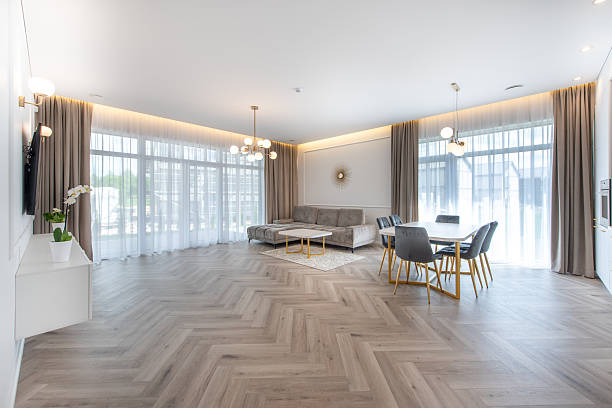
What Is HDF Flooring?
HDF flooring refers to flooring products that use High-Density Fiberboard (HDF) as the core material. HDF is an engineered wood product made by compressing wood fibers under high pressure to create a dense and durable board.
The high density of HDF makes it stronger and more stable than standard MDF (Medium-Density Fiberboard). This enhanced strength contributes to better resistance against dents, impacts, and everyday wear.
Key Characteristics of HDF Flooring
Some notable features include:
- High structural density
- Strong load-bearing capability
- Smooth surface finish
- Improved dimensional stability
- Compatibility with click-lock systems
HDF is commonly used as the foundation for several flooring products, including laminate flooring.
What Is Laminate Flooring?
Laminate flooring is a multi-layer flooring product designed to replicate the appearance of natural wood, stone, or tile. Most laminate flooring products utilize an HDF core layer as their structural foundation.
The surface consists of a decorative printed layer protected by a transparent wear layer that enhances durability and scratch resistance.
Typical Laminate Flooring Structure
A standard laminate plank includes:
- Wear layer
- Decorative layer
- HDF core
- Stabilizing backing layer
This layered design provides an attractive and cost-effective alternative to natural hardwood flooring.
HDF Flooring vs Laminate Flooring: The Basic Difference
One of the most common misconceptions is that HDF flooring and laminate flooring are identical.
The reality is that HDF refers to the core material, while laminate flooring refers to a finished flooring product that often contains an HDF core.
Understanding the Relationship
Think of it this way:
- HDF is the foundation material.
- Laminate is the complete flooring system.
Many laminate floors rely on HDF cores because of their strength and stability, but not all HDF-based flooring products are laminate flooring.
This distinction is important when evaluating product quality and performance.
Why HDF Flooring Is Popular in the UAE
The UAE flooring market demands products that can handle unique environmental conditions.
High temperatures outdoors and heavily air-conditioned interiors create challenges for many flooring materials.
Advantages for Dubai Properties
HDF flooring offers several benefits:
- Excellent dimensional stability
- Strong impact resistance
- Cost-effective performance
- Wide design flexibility
For residential and commercial projects alike, these qualities make HDF-based flooring solutions highly attractive.
Property developers often favor HDF flooring because it balances durability with affordability.
Durability Comparison Between HDF Flooring and Laminate Flooring
Durability is often a top concern for property owners.
Since laminate flooring typically uses HDF as its core, both options share many durability advantages.
Resistance to Daily Wear
High-quality HDF flooring provides:
- Strong resistance to indentation
- Enhanced structural integrity
- Long-term performance
Laminate flooring adds additional protection through its wear layer, making it particularly resistant to:
- Scratches
- Scuffs
- Surface stains
- UV fading
For busy households and offices, laminate flooring often delivers superior surface durability.
Moisture Resistance of HDF Flooring
Moisture exposure remains one of the most important considerations in the UAE.
Although HDF is denser than MDF, it is still a wood-based product and can absorb moisture if improperly protected.
Moisture Performance
Modern HDF flooring products often feature:
- Moisture-resistant coatings
- Sealed edges
- Enhanced core technology
These improvements help reduce swelling and warping risks.
Many flooring specialists recommend premium HDF Flooring products for climate-controlled residential and commercial environments where occasional humidity changes occur.
Appearance and Design Options
A major reason for the popularity of laminate flooring is its visual versatility.
Advanced printing technologies allow manufacturers to create highly realistic wood, stone, and tile appearances.
Popular UAE Design Trends
Current trends include:
- Light oak finishes
- Grey wood tones
- Natural walnut designs
- Scandinavian-inspired styles
HDF flooring serves as the structural base that supports these decorative finishes.
Luxury apartments in Dubai Marina and Palm Jumeirah frequently utilize laminate products with premium HDF cores to achieve elegant interiors at a competitive cost.
Installation Comparison
Installation efficiency can significantly affect project timelines and budgets.
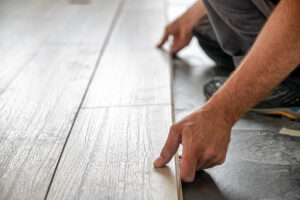
Both HDF flooring systems and laminate flooring often feature click-lock mechanisms that simplify installation.
Benefits of Click-Lock Installation
Advantages include:
- Faster project completion
- Reduced labor costs
- Minimal adhesive requirements
- Easy plank replacement
This makes HDF-core flooring particularly attractive for large-scale UAE developments where construction schedules are critical.
Cost Comparison: HDF Flooring vs Laminate Flooring
Budget considerations play a major role in flooring decisions.
Because HDF is a component rather than a finished product category, pricing varies based on the overall flooring system.
General Cost Factors
Costs depend on:
- Board density
- Wear layer quality
- Surface finish
- Brand reputation
- Installation method
In many cases, laminate flooring offers excellent value because it combines affordability with attractive aesthetics and durability.
Maintenance Requirements
Flooring maintenance directly impacts long-term satisfaction.
Fortunately, both HDF flooring systems and laminate flooring are relatively easy to maintain.
Daily Care Tips
Recommended practices include:
- Sweeping regularly
- Vacuuming dust
- Using damp microfiber mops
- Cleaning spills immediately
Dubai’s occasional dust storms make regular cleaning particularly important.
Avoiding Damage
To maximize lifespan:
- Use furniture pads
- Avoid excessive water
- Place entrance mats
- Use manufacturer-approved cleaners
Proper maintenance can significantly extend flooring performance.
Best Applications for HDF Flooring
Different environments require different flooring characteristics.
HDF flooring is suitable for numerous applications due to its strength and versatility.
Residential Use Cases
Ideal spaces include:
- Living rooms
- Bedrooms
- Hallways
- Home offices
Commercial Applications
Common installations include:
- Corporate offices
- Retail stores
- Educational facilities
- Hospitality environments
Its durability and affordability make it suitable for projects of all sizes.
Environmental and Sustainability Considerations
Sustainability is becoming increasingly important throughout the UAE construction sector.
Many modern HDF flooring products utilize responsibly sourced wood fibers and environmentally conscious manufacturing processes.
Eco-Friendly Benefits
Advantages include:
- Efficient wood utilization
- Reduced waste
- Lower environmental impact
- Long service life
Many products also comply with international environmental certifications, supporting green building initiatives.
How to Choose Between HDF Flooring and Laminate Flooring
The right choice depends on your specific project requirements.
Since laminate flooring often contains an HDF core, the decision usually comes down to evaluating overall product quality rather than simply comparing categories.
Key Factors to Consider
Ask yourself:
- What is my budget?
- How much foot traffic will the floor experience?
- Is moisture exposure a concern?
- What design style am I seeking?
- How important is long-term durability?
Consulting experienced flooring professionals can help ensure the best outcome.
Key Takeaways
- HDF is a core material, while laminate flooring is a complete flooring product.
- Most laminate flooring products use HDF cores.
- HDF provides strength, stability, and durability.
- Laminate flooring adds decorative and protective surface layers.
- Both options perform well in Dubai’s climate when properly installed.
- Moisture-resistant technologies improve long-term performance.
- Installation is typically fast and cost-effective.
- Both solutions offer excellent value for residential and commercial projects.
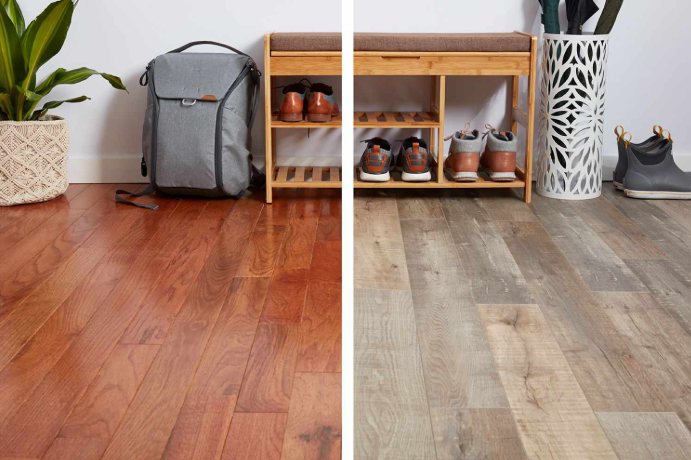
Upgrade Your Space with High-Quality HDF Flooring
Whether you’re renovating a luxury villa, upgrading an apartment, or outfitting a commercial property, selecting the right flooring can dramatically impact comfort, aesthetics, and long-term value. Understanding the distinction between HDF flooring and laminate flooring allows you to make a more informed purchasing decision based on performance, durability, and budget.
Modern flooring solutions built on high-density fiberboard technology offer outstanding stability, attractive designs, and reliable performance for UAE properties. If you’re looking for premium flooring options tailored to the demands of Dubai’s climate and lifestyle, explore professional HDF Flooring solutions that combine beauty, durability, and exceptional value.
Frequently Asked Questions
1. What does HDF stand for in flooring?
HDF stands for High-Density Fiberboard, a durable engineered wood material commonly used as a flooring core.
2. Is HDF flooring the same as laminate flooring?
No. HDF is a core material, while laminate flooring is a complete flooring product that often contains an HDF core.
3. Is HDF flooring durable?
Yes. HDF flooring offers excellent strength, impact resistance, and long-term structural stability.
4. Is HDF flooring suitable for Dubai?
Yes. Its dimensional stability makes it suitable for air-conditioned environments and typical UAE indoor conditions.
5. Can HDF flooring resist moisture?
Many modern HDF products feature moisture-resistant technology, although prolonged water exposure should still be avoided.
6. How long does HDF flooring last?
With proper installation and maintenance, quality HDF flooring can last 15–25 years or more.
7. Is laminate flooring better than HDF flooring?
Laminate flooring is not necessarily better; it often uses HDF as its core. The overall product quality determines performance.
8. Is HDF flooring eco-friendly?
Many HDF products are manufactured using sustainable wood fibers and environmentally responsible processes.
9. Can HDF flooring be installed in offices?
Yes. HDF flooring is widely used in commercial offices due to its durability and affordability.
10. What is the main advantage of HDF flooring?
Its high density provides excellent strength, stability, and support for modern flooring systems.