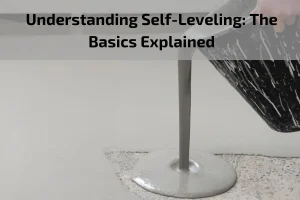
Epoxy garage flooring has become a highly sought-after solution for homeowners looking to combine durability, aesthetics, and practicality. Unlike plain concrete floors, epoxy coatings create a seamless, high-gloss surface that resists heavy foot traffic, chemical spills, and daily wear. Its versatility makes it an excellent option for garages that serve multiple purposes, including parking, workshops, or storage spaces.
Beyond durability, epoxy flooring provides design flexibility. From solid color options to decorative patterns, it allows homeowners to elevate the appearance of their garage while maintaining a long-lasting, resilient surface. Chevron-style designs, for example, add a modern, dynamic look that transforms an otherwise utilitarian area into a stylish environment.
This article explores everything you need to know about epoxy garage flooring, including its composition, installation process, advantages, maintenance, and design considerations, giving homeowners a comprehensive understanding of this durable flooring solution.
What Is Epoxy Garage Flooring and How It Works
Epoxy garage flooring is a type of coating composed of epoxy resin mixed with a hardening agent. When applied to a prepared concrete surface, it undergoes a chemical reaction that forms a tough, durable layer bonded directly to the floor. This seamless layer is highly resistant to stains, abrasions, and impact damage, providing long-term protection to your garage.
Epoxy floors are designed to withstand high pressure from vehicles and heavy equipment. They resist tire marks, oil stains, and chemical spills, making them ideal for garages used frequently or for work purposes. Some epoxy systems include decorative additives, such as colored flakes or metallic pigments, allowing homeowners to customize the floor’s appearance while maintaining functionality.
The combination of durability, chemical resistance, and design options makes epoxy flooring an attractive choice for both residential and commercial applications.
Step-by-Step Guide to Installing Epoxy Garage Flooring
Proper installation of epoxy flooring ensures its longevity and performance. While professional installation is recommended for the best results, understanding the process helps homeowners prepare effectively:
- Surface Preparation
- Thoroughly clean the garage to remove dirt, oil, and debris.
- Repair any cracks or holes with an epoxy filler.
- Etch or mechanically grind the concrete to improve adhesion.
- Applying Primer
- Coat the prepared surface with an epoxy primer to enhance bonding and reduce the risk of peeling.
- Mixing Epoxy
- Combine the resin and hardener precisely according to the manufacturer’s instructions to ensure proper curing.
- Applying Base Coat
- Spread the mixed epoxy evenly across the floor using rollers or squeegees. Work in manageable sections to avoid uneven surfaces.
- Adding Decorative Elements
- While the base coat is wet, sprinkle colored flakes, metallic pigments, or other decorative elements to achieve the desired design.
- Topcoat Application
- After the base coat has cured, apply a clear protective topcoat to resist scratches, UV exposure, and chemical damage.
- Curing Time
- Allow the floor to cure fully for 24–72 hours before walking or driving on it, depending on environmental conditions.
Following these steps ensures a smooth, durable epoxy floor that provides both function and aesthetic appeal.
Benefits of Epoxy Flooring Compared to Other Materials
Epoxy garage flooring offers numerous advantages over traditional concrete, vinyl, or tile options:
- Exceptional Durability: Epoxy resists heavy traffic, impact, and abrasion, making it ideal for garages that see frequent use.
- Chemical Resistance: Epoxy surfaces resist oil, gasoline, and cleaning chemicals, preventing stains and damage.
- Ease of Maintenance: Smooth, non-porous surfaces are easy to clean, reducing time spent on upkeep.
- Design Versatility: Available in various colors, patterns, and textures, including decorative flakes and metallic finishes.
- Seamless Finish: Unlike tiled floors, epoxy creates a seamless surface with no grout lines, reducing dirt buildup.
With these benefits, epoxy is an excellent choice for garages requiring both functionality and visual appeal.
How to Maintain and Clean Epoxy Garage Flooring Effectively
Epoxy floors are low-maintenance, but proper care ensures longevity and preserves their shine:
- Regular Sweeping: Remove dust and debris daily to prevent scratches.
- Prompt Spill Cleanup: Clean up oil, grease, or chemical spills immediately to avoid damage.
- Mopping: Use a mild detergent and water for periodic cleaning, avoiding abrasive cleaners that can dull the finish.
- Avoid Abrasive Tools: Use soft brushes or microfiber mops rather than metal scrapers.
- Reapply Topcoat as Needed: Every few years, consider a fresh topcoat to maintain protection and gloss.
Proper maintenance ensures your floor remains functional, safe, and visually appealing for years.
Common Mistakes to Avoid During Epoxy Garage Flooring Installation
Even minor installation errors can compromise an epoxy floor’s durability and appearance. Common mistakes include:
- Inadequate Surface Preparation: Dirt, oil, or improperly etched concrete can prevent proper adhesion.
- Incorrect Mixing Ratios: Failing to mix the resin and hardener accurately can result in soft or uneven areas.
- Ignoring Moisture: Excess moisture can cause bubbles or peeling.
- Skipping Primer: A primer layer improves bonding and reduces delamination.
- Applying Too Thick a Layer: Thick epoxy layers may cure unevenly, creating surface imperfections.
Awareness of these pitfalls helps prevent issues and ensures a long-lasting floor.
How Epoxy Flooring Can Improve Garage Safety and Durability
Epoxy flooring contributes to both safety and structural durability:
- Non-Slip Options: Anti-slip additives improve traction, reducing fall risks in wet conditions.
- Chemical Protection: Resistant to spills, epoxy prevents corrosion or staining of the underlying concrete.
- Impact Resistance: Withstands drops and heavy equipment without cracking.
- Long-Term Performance: Properly installed epoxy flooring can last decades, reducing maintenance and repairs.
These features make epoxy floors both safe and practical for daily garage use.
Understanding Different Styles Like Chevron Flooring for Aesthetic Appeal
Epoxy flooring is highly customizable, allowing homeowners to integrate stylish patterns such as chevron designs:
- Chevron Patterns: V-shaped stripes create dynamic movement and modern visual interest in the garage.
- Color Variations: Using epoxy flakes or pigments, you can create gradients or multi-color effects for a unique look.
- Decorative Options: Metallic finishes or custom designs add personality while maintaining the floor’s durability.
Incorporating design elements like Chevron flooring can transform a functional garage space into an attractive, modern environment.
Conclusion
Epoxy garage flooring offers a combination of durability, chemical resistance, and design versatility that makes it an ideal solution for modern garages. With proper installation, regular maintenance, and thoughtful design choices, epoxy floors can provide a long-lasting, safe, and visually appealing surface. Whether for heavy-duty residential garages or commercial spaces, epoxy delivers both functionality and aesthetic value, making it a smart investment for any property.
Integrating solutions like epoxy garage flooring with complementary products such as commercial vinyl flooring dubai allows homeowners to create durable and visually appealing flooring systems suitable for any environment.
FAQs
- What is epoxy garage flooring?
Epoxy flooring is a combination of resin and hardener that forms a durable, chemical-resistant coating over concrete surfaces. - How long does epoxy flooring last in a garage?
With proper installation and maintenance, epoxy floors can last 10–20 years, depending on traffic and environmental conditions. - Can epoxy flooring handle heavy vehicles?
Yes, epoxy is strong enough to support cars, trucks, and other heavy equipment without cracking. - How do I clean and maintain epoxy garage floors?
Sweep or vacuum regularly, clean spills immediately, mop with mild detergent, and reapply topcoat as needed to preserve durability and appearance. - What are the design options like chevron flooring for garages?
Chevron patterns, metallic pigments, and colored flakes can be incorporated into epoxy floors to create visually appealing, custom designs. - Is professional installation necessary for epoxy floors?
Professional installation ensures proper surface preparation, accurate mixing, and even application, resulting in a longer-lasting floor. - Are epoxy floors suitable for all climates?
Yes, but areas with high humidity or moisture require proper preparation and curing to prevent issues like bubbling or lifting. - Can I customize the color of epoxy flooring?
Yes, epoxy is available in a wide variety of colors and finishes, allowing homeowners to achieve the exact aesthetic they want. - How do epoxy floors compare to other garage flooring options?
Epoxy offers superior durability, chemical resistance, seamless surfaces, and design flexibility compared to concrete, vinyl, or tiles.
10. Can epoxy floors improve garage safety?
Yes, epoxy floors can include non-slip additives, resist chemical spills, and provide a smooth, impact-resistant surface to enhance safety.