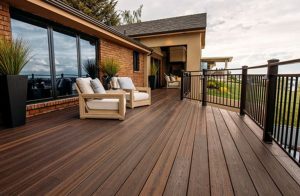
Finding reliable suppliers for WPC flooring in the UAE can be a complex task, given the variety of products and manufacturers available. Whether you are a homeowner planning a renovation, an interior designer sourcing materials, or a contractor managing multiple projects, selecting the right supplier is crucial for ensuring quality, consistency, and timely delivery. This guide explores how to identify trustworthy suppliers, evaluate product options, and make informed decisions when sourcing WPC wooden flooring in the UAE.
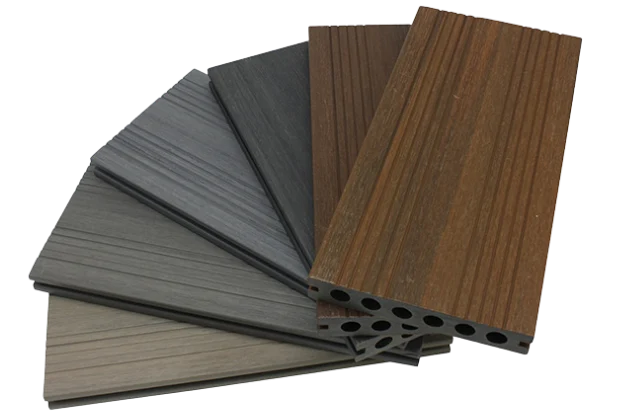
With the increasing popularity of WPC as a durable and low-maintenance flooring solution, the demand for dependable suppliers has grown. Understanding the market, comparing different types of flooring, and knowing what questions to ask can help avoid costly mistakes and ensure a successful project.
This article provides a detailed roadmap for navigating the WPC supply landscape, including tips for verifying credentials, understanding product specifications, and comparing alternatives like vinyl wood flooring. By the end of this guide, readers will have a comprehensive understanding of how to source high-quality WPC products from reliable suppliers in the UAE.
How to identify reliable WPC suppliers in UAE for quality flooring
Identifying reputable WPC suppliers in the UAE requires research and due diligence. Key factors to consider include:
- Experience and Reputation: Suppliers with a long track record in the industry often provide higher quality products and better customer support.
- Certifications and Standards: Look for suppliers whose products comply with international quality standards, such as ISO or ASTM certifications.
- Product Range: A supplier offering a variety of WPC options, including different finishes, thicknesses, and installation methods, can better meet your project needs.
- References and Reviews: Check testimonials, case studies, or past client feedback to gauge reliability and service quality.
- After-Sales Support: Reliable suppliers often provide guidance on installation, maintenance, and warranty support for their products.
Engaging with multiple suppliers and requesting samples can also help assess material quality before committing to a larger order. Choosing a trusted partner ensures your flooring project is completed efficiently and meets your expectations.
Key differences between WPC wooden flooring and other materials
Understanding how WPC wooden flooring differs from alternatives is essential when sourcing from suppliers. Some important distinctions include:
- Composition: WPC combines wood fibers with plastic polymers, creating a material that mimics wood appearance but is more durable and moisture-resistant.
- Maintenance: WPC requires minimal upkeep compared to natural wood, which needs periodic sealing and protection from pests.
- Durability: WPC is resistant to warping, cracking, and termite damage, whereas traditional wood can degrade over time in outdoor or high-humidity environments.
- Environmental Impact: Many WPC products utilize recycled materials, reducing environmental footprint compared to harvesting new timber.
- Installation Flexibility: WPC boards can often be installed over a variety of substrates using hidden clips, screws, or adhesive, offering versatility for indoor and outdoor projects.
By understanding these differences, buyers can make informed decisions when evaluating options from wpc wooden flooring suppliers, ensuring the chosen material meets their functional and aesthetic requirements.
Tips for comparing vinyl wood flooring with WPC options
When considering different types of flooring, it is important to compare WPC with vinyl wood flooring. While both offer low-maintenance alternatives to traditional timber, they differ in key aspects:
- Material Composition: Vinyl wood is entirely synthetic, while WPC combines natural fibers with plastics.
- Texture and Appearance: WPC more closely mimics real wood texture, whereas vinyl wood often has a smoother, uniform finish.
- Durability: WPC is generally better suited for outdoor or high-traffic areas due to its resistance to moisture and UV exposure.
- Environmental Considerations: WPC may use recycled content, while vinyl wood is fully synthetic and may have a higher environmental impact.
- Installation Methods: Vinyl wood often uses click-lock systems or adhesives, while WPC offers hidden clip or screw installations, depending on the product.
By comparing these features, buyers can determine which flooring type aligns with the intended application and long-term maintenance expectations.
Understanding the materials and durability of WPC wooden flooring
WPC wooden flooring is designed for longevity and resilience. Its composition provides several material advantages:
- Wood Fiber Content: Offers the natural look, feel, and warmth of wood without the susceptibility to pests or moisture damage.
- Plastic Polymer Matrix: Adds flexibility, impact resistance, and water repellency to the flooring boards.
- Protective Coatings: Many WPC boards come with anti-UV and scratch-resistant coatings to extend their life and preserve appearance.
- Dimension Stability: WPC boards are engineered to minimize expansion and contraction caused by temperature changes, reducing warping or gapping.
Suppliers should provide technical specifications, including density, wear layer thickness, and coating details, allowing buyers to assess product performance for specific environments, whether indoor, outdoor, or semi-exposed areas.
How to verify certifications and quality standards of suppliers
Ensuring that WPC suppliers meet recognized quality standards is crucial. Key steps include:
- Request Product Certification: Ask suppliers for documentation of ISO, ASTM, or local UAE quality compliance.
- Check Material Composition: Verify that the supplier uses a genuine mix of wood fibers and polymers, as stated.
- Inspect Samples: Physically assess product samples for texture, color consistency, and dimensional accuracy.
- Third-Party Testing: For large projects, consider independent testing for durability, slip resistance, and UV stability.
- Warranty Review: Confirm the length and scope of warranties offered by the supplier, which reflects confidence in product quality.
Verifying these standards ensures that the flooring will perform as expected and minimizes potential issues during installation and use.
Common challenges when sourcing WPC products in UAE
Sourcing WPC products in the UAE may present some unique challenges:
- Market Saturation: Numerous suppliers offer similar products, making it difficult to distinguish quality materials from lower-grade alternatives.
- Logistics and Delivery: Coordinating transportation and delivery schedules can be complex, particularly for large orders or remote sites.
- Product Variations: Different suppliers may offer varying thicknesses, finishes, or coatings, requiring careful specification to match project needs.
- Climate Considerations: UAE’s extreme heat and humidity demand that suppliers provide materials specifically engineered for local environmental conditions.
- Communication Barriers: Language, technical terms, and documentation standards may differ, necessitating clear and precise communication with suppliers.
Being aware of these challenges allows buyers to plan ahead, ask the right questions, and select suppliers that offer reliable service and high-quality products.
Tips for negotiating and communicating effectively with suppliers
Effective communication and negotiation can improve your procurement experience:
- Prepare Detailed Specifications: Clearly outline your requirements, including board dimensions, finish, and coating preferences.
- Request Samples: Evaluate material quality before placing bulk orders.
- Compare Multiple Suppliers: Obtain quotes and compare product specifications to ensure value for quality.
- Ask About Lead Times: Clarify production schedules, shipping, and delivery to avoid project delays.
- Establish Clear Contracts: Include terms for quality assurance, warranties, and replacement policies in writing.
These steps help ensure that you engage with trustworthy suppliers who understand your project needs and can deliver reliable products on time. Using wpc suppliers in uae that offer clear communication, verified credentials, and flexible support will make the sourcing process smoother and more predictable.
Conclusion
Sourcing WPC flooring in the UAE requires careful research, evaluation, and communication with potential suppliers. By understanding the differences between WPC wooden flooring and alternatives like vinyl wood flooring, verifying quality standards, and considering logistical and environmental factors, buyers can make informed decisions that ensure long-lasting and high-performing installations.
Partnering with reputable WPC suppliers in the UAE not only guarantees access to quality materials but also provides support for installation, maintenance, and project success. Following the guidelines outlined in this comprehensive guide can help homeowners, designers, and contractors navigate the market with confidence and achieve optimal results for their flooring projects.
FAQs
- Who are the top WPC suppliers in UAE?
Top WPC suppliers in the UAE are those with established reputations, verified certifications, and a broad range of high-quality flooring options. Checking references, past projects, and client reviews can help identify reliable suppliers. - How do WPC wooden flooring and vinyl wood flooring differ?
WPC wooden flooring combines natural fibers and polymers for durability and water resistance, making it suitable for outdoor and high-traffic areas. Vinyl wood flooring is fully synthetic, offering easier installation and indoor applications but less resilience against weather. - What questions should I ask a WPC supplier before buying?
- Can you provide product certifications and compliance documents?
- What are the board dimensions, finish options, and wear layer thickness?
- Do you offer installation guidance or after-sales support?
- What is the expected lifespan and warranty coverage?
- How is the quality of WPC flooring measured?
Quality is assessed by material composition, density, wear layer thickness, UV resistance, slip resistance, and compliance with recognized standards such as ISO or ASTM. Physical inspection and testing of samples are also recommended. - Can I get customized WPC wooden flooring from suppliers?
Many suppliers offer customization in terms of board size, finish, texture, and color. Confirm specifications and production lead times before placing orders. - How to ensure timely delivery from WPC suppliers?
Communicate clear lead times, confirm order schedules, and establish written contracts detailing production, shipping, and delivery timelines. Regular follow-ups and coordination with logistics providers help prevent delays. - Is it necessary to compare multiple suppliers before purchasing?
Yes, comparing multiple suppliers ensures you assess quality, price, service reliability, and product options, helping you select the best fit for your project requirements. - What are the benefits of choosing wpc wooden flooring for projects in the UAE?
WPC wooden flooring offers moisture resistance, durability in hot and humid climates, low maintenance, and an eco-friendly option using recycled materials, making it ideal for both residential and commercial projects in the UAE.