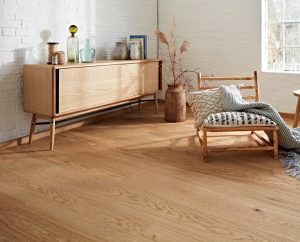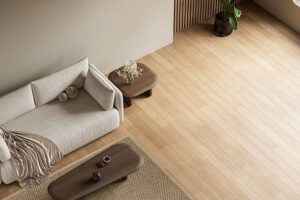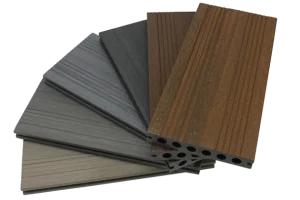
Choosing a new floor is one of the most important decisions homeowners, property investors, and business owners make during a renovation or construction project. The right flooring not only enhances the appearance of a space but also affects comfort, maintenance requirements, durability, and long-term property value. Whether you are upgrading a luxury villa in Dubai, furnishing a new apartment in Abu Dhabi, or renovating a commercial property in Sharjah, selecting the appropriate flooring solution requires careful planning.
Today’s market offers a wide variety of flooring materials, including hardwood, laminate, vinyl, SPC, porcelain tile, terrazzo, and engineered wood. Each option comes with unique benefits and limitations that can impact performance in different environments. Factors such as climate, foot traffic, moisture exposure, budget, and design preferences should all be evaluated before making a final decision.
For property owners exploring different flooring options, understanding how to choose the ideal Floor can help avoid costly mistakes and ensure long-term satisfaction. This guide explores the essential factors you should consider before installing a new floor, helping you make an informed investment that suits your needs and lifestyle.
Why Choosing the Right Floor Matters
Flooring is more than just a decorative surface. It plays a critical role in the functionality, safety, and overall value of a property.
A well-chosen floor can improve comfort, reduce maintenance costs, and create a cohesive interior design. Conversely, selecting the wrong flooring material can result in premature wear, expensive repairs, and dissatisfaction.
In the UAE’s competitive real estate market, quality flooring can also contribute to increased property appeal and resale value.
Long-Term Impact on Property Value
Many buyers and tenants consider flooring quality when evaluating residential and commercial spaces. Durable and attractive flooring often creates a positive first impression and supports higher property valuations.
Understanding Your Space Requirements
Before selecting a flooring material, it is important to evaluate how the space will be used.
Different rooms have different requirements. A floor that performs well in a bedroom may not be suitable for a kitchen, bathroom, or commercial environment.
Questions to Ask Before Installation
Consider the following:
- Will the area experience heavy foot traffic?
- Is moisture exposure likely?
- Are pets or children present?
- What level of maintenance is acceptable?
Answering these questions can help narrow down suitable flooring options.
Evaluating Floor Durability
Durability is one of the most important factors when choosing a floor.
The lifespan of a flooring material depends on its construction, quality, and ability to withstand daily use.
High-Traffic Areas
Spaces that experience frequent use require durable flooring solutions such as:
- Porcelain tiles
- SPC flooring
- Engineered wood
- Terrazzo flooring
For example, retail stores and office spaces in Dubai often prioritize durability to reduce long-term maintenance expenses.
Residential Applications
Bedrooms and guest rooms may not require the same level of durability as living rooms or hallways, allowing homeowners to focus more on aesthetics and comfort.
Climate Considerations in the UAE
The UAE climate can significantly influence flooring performance.
High outdoor temperatures and extensive indoor air conditioning create conditions that affect certain materials differently.
Flooring Materials Suitable for UAE Conditions
Popular options include:
- SPC flooring
- Porcelain tiles
- Engineered wood
- Luxury vinyl flooring
These materials typically perform well under fluctuating temperature conditions.
Moisture and Humidity Resistance
In coastal areas such as Dubai Marina and Abu Dhabi Corniche, humidity levels can impact flooring performance. Moisture-resistant materials are often recommended for these environments.
Budget Planning for a New Floor
Establishing a realistic budget is essential before selecting flooring materials.
The total project cost extends beyond the purchase price of the flooring itself.
Expenses to Consider
Typical costs include:
- Flooring materials
- Underlayment
- Surface preparation
- Installation labor
- Maintenance products
A comprehensive budget helps prevent unexpected expenses during the project.
Balancing Cost and Value
While lower-cost materials may seem attractive initially, higher-quality flooring often delivers better long-term value through increased durability and reduced maintenance.
Comparing Popular Floor Materials
Choosing the right flooring material is an important decision that affects the appearance, comfort, durability, and maintenance requirements of a space. With many options available, understanding the differences between popular floor materials can help homeowners and business owners make the best choice.
Hardwood flooring is known for its timeless beauty and long lifespan. It adds warmth and value to a property, but it can be sensitive to moisture and may require periodic refinishing to maintain its appearance.
Engineered wood flooring offers the natural look of hardwood while providing better resistance to humidity and temperature changes. It is often more affordable and easier to install than solid hardwood.
Laminate flooring is a budget-friendly option that mimics the appearance of wood or stone. It is resistant to scratches and easy to maintain, making it suitable for busy households. However, it cannot usually be refinished if damaged.
Vinyl flooring has become increasingly popular due to its water resistance, durability, and affordability. Available in a wide range of designs, it works well in kitchens, bathrooms, and high-traffic areas.
Tile flooring, including ceramic and porcelain, is highly durable and moisture-resistant. It is ideal for wet environments and offers countless design possibilities, although it can feel hard and cold underfoot.
Floor Design and Aesthetic Preferences
Appearance is often a major factor when selecting flooring.
The chosen floor should complement the property’s architectural style and interior design theme.
Popular UAE Flooring Trends
Current trends include:
- Natural wood finishes
- Large-format tiles
- Stone-inspired surfaces
- Neutral color palettes
- Seamless contemporary designs
Luxury villas in Dubai frequently feature premium flooring materials that emphasize elegance and sophistication.
Matching Flooring to Interior Styles
Different flooring materials work well with specific design aesthetics, including:
- Modern
- Scandinavian
- Industrial
- Traditional
- Contemporary
Selecting the right combination enhances visual harmony throughout the property.
Maintenance Requirements
Maintenance expectations should influence flooring decisions.
Some materials require ongoing care, while others offer relatively maintenance-free performance.
Low-Maintenance Flooring Options
Popular low-maintenance choices include:
- SPC flooring
- Porcelain tiles
- Vinyl flooring
These products are ideal for busy households and commercial properties.
For property owners researching flooring performance and maintenance requirements, exploring various Floor solutions can provide valuable insights into suitable materials for different environments.
High-Maintenance Flooring Options
Natural hardwood flooring may require:
- Refinishing
- Specialized cleaning
- Moisture management
Homeowners should consider whether these maintenance commitments align with their lifestyle.
Importance of Subfloor Conditions
The condition of the existing subfloor significantly affects installation success.
A damaged or uneven subfloor can compromise flooring performance and appearance.
Common Subfloor Issues
Potential problems include:
- Cracks
- Moisture damage
- Uneven surfaces
- Structural weaknesses
Professional inspections can identify these issues before installation begins.
Surface Preparation Benefits
Proper preparation helps ensure:
- Better adhesion
- Improved durability
- Enhanced appearance
- Longer lifespan
Skipping preparation steps can lead to costly repairs later.
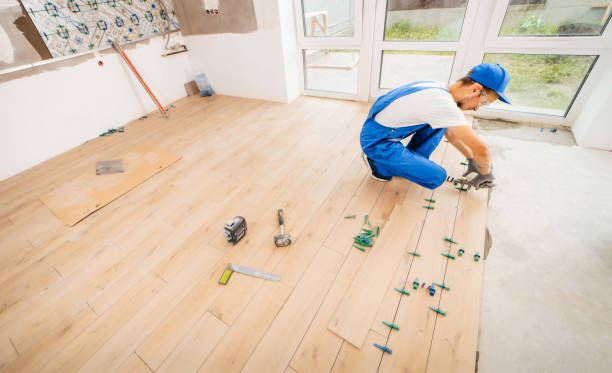
Installation Methods and Complexity
Different flooring materials require different installation techniques.
Some systems are relatively straightforward, while others demand specialized expertise.
Common Installation Methods
Popular methods include:
- Floating installation
- Glue-down installation
- Nail-down installation
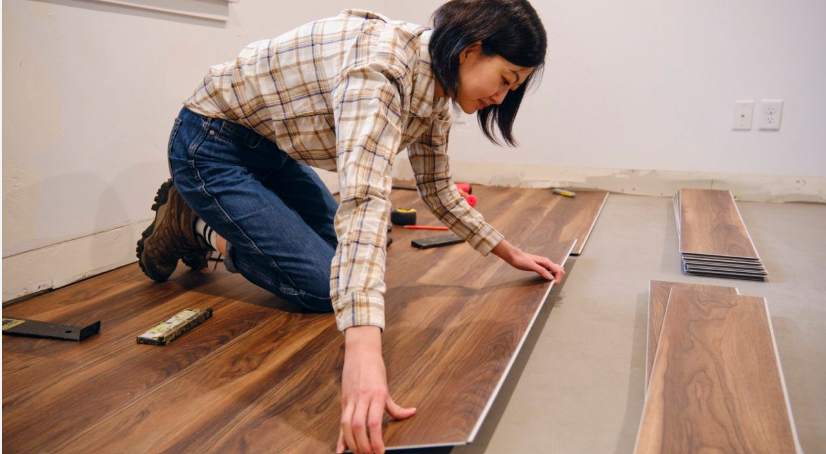
- Click-lock systems
The chosen method can influence both cost and installation time.
Professional vs DIY Installation
While certain flooring products support DIY installation, professional services often provide better results and warranty protection.
Commercial projects in the UAE typically rely on experienced installers to ensure compliance with industry standards.
Sustainability and Environmental Impact
Environmental considerations are becoming increasingly important for modern property owners.
Many developers now prioritize sustainable building materials.
Eco-Friendly Flooring Choices
Examples include:
- FSC-certified wood flooring
- Bamboo flooring
- Recycled-content flooring
- Low-VOC products
These options contribute to healthier indoor environments.
Long-Term Sustainability Benefits
Durable flooring materials reduce replacement frequency, minimizing waste and supporting sustainable construction goals.
Safety and Comfort Considerations
Flooring influences both safety and daily comfort.
Different materials provide varying levels of slip resistance, cushioning, and thermal comfort.
Safety Features
Important considerations include:
- Slip resistance
- Fire resistance
- Impact absorption
- Indoor air quality
Families with children and elderly residents often prioritize these factors.
Comfort Underfoot
Materials such as engineered wood and luxury vinyl generally provide greater comfort than hard stone or tile surfaces.
Selecting the right floor can improve overall living and working conditions.
Key Takeaways
- Flooring selection affects aesthetics, durability, comfort, and property value.
- Climate conditions should influence material choice in the UAE.
- Budget planning must include installation and maintenance costs.
- Durability requirements vary by room and application.
- Proper subfloor preparation is essential.
- Maintenance expectations should align with lifestyle needs.
- Professional installation often delivers superior results.
- Sustainable flooring options are increasingly popular.
Make the Right Floor Investment for Long-Term Success
Installing a new floor is a significant investment that impacts both the functionality and visual appeal of your property. By carefully evaluating factors such as durability, climate compatibility, maintenance requirements, budget, design preferences, and installation methods, you can choose a flooring solution that delivers lasting value and performance.
Whether you are renovating a residential property, upgrading a commercial space, or planning a new construction project, exploring the right Floor options can help you achieve the perfect balance of style, practicality, and durability. Consult experienced flooring professionals to ensure your investment enhances your property for years to come.
Frequently Asked Questions
1. What is the most important factor when choosing a new floor?
Durability, intended use, budget, and environmental conditions are among the most important factors to consider.
2. Which flooring type is best for UAE homes?
SPC flooring, porcelain tiles, engineered wood, and luxury vinyl are popular choices due to their performance in UAE conditions.
3. How much should I budget for new flooring?
Costs vary depending on material, installation requirements, and project size. A complete budget should include labor and preparation expenses.
4. Is professional flooring installation necessary?
Professional installation is recommended for most flooring projects to ensure durability, appearance, and warranty compliance.
5. What flooring material requires the least maintenance?
Porcelain tiles, SPC flooring, and luxury vinyl flooring are among the easiest materials to maintain.
6. Can flooring increase property value?
Yes, quality flooring often improves property appeal and may contribute to higher resale or rental value.
7. Why is subfloor preparation important?
A properly prepared subfloor helps ensure stability, durability, and long-term flooring performance.
8. What flooring is best for high-traffic areas?
Porcelain tiles, SPC flooring, and terrazzo are excellent choices for busy environments.
9. Are eco-friendly flooring options available?
Yes, many manufacturers offer sustainable flooring materials such as certified wood, bamboo, and recycled-content products.
10. How long does flooring typically last?
Lifespan varies by material, ranging from 10–20 years for some products to over 50 years for premium flooring options.