Choosing the perfect flooring can significantly impact the appearance, comfort, and value of your property. Whether you are renovating a luxury villa in Dubai, upgrading an apartment in Abu Dhabi, or designing a commercial space in Sharjah, selecting the right Wood Flooring solution is a crucial decision. Among the most popular options available today are solid wood flooring and engineered wood flooring. While both provide the timeless beauty of natural wood, they differ in construction, durability, installation methods, maintenance requirements, and overall performance.
Understanding these differences can help homeowners, interior designers, architects, and property developers make informed decisions based on budget, lifestyle, and environmental conditions. In the UAE, where temperature fluctuations and air-conditioned interiors can affect flooring performance, choosing the right material becomes even more important.
Many property owners exploring flooring solutions compare various materials before making a final choice. Learning more about Wood Flooring options and alternative surface solutions can help identify the most suitable flooring system for both residential and commercial environments. This comprehensive guide examines solid wood flooring and engineered wood flooring in detail to help you determine which option best meets your needs.
Understanding Wood Flooring
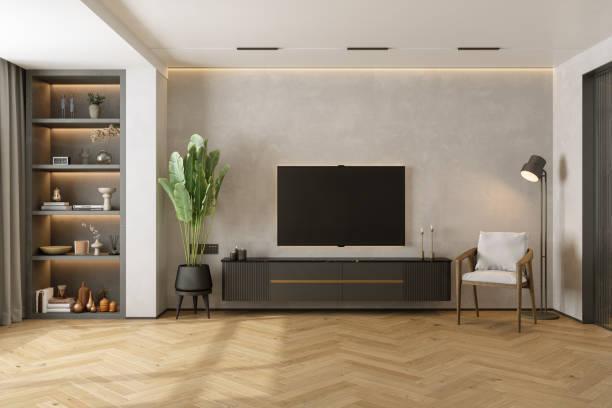
Wood flooring remains one of the most desirable flooring materials worldwide due to its natural beauty, warmth, and long-lasting appeal. Both solid wood and engineered wood are designed to provide authentic wood aesthetics, but their construction methods differ significantly.
Solid wood flooring is manufactured from a single piece of hardwood, while engineered wood consists of multiple layers bonded together with a real hardwood veneer on the surface. Despite these differences, both options can enhance the visual appeal and value of a property.
Why Wood Flooring Remains Popular
Homeowners and businesses continue to choose wood flooring because it offers:
- Natural elegance
- Long-term value
- Versatile design options
- Improved indoor aesthetics
- Compatibility with modern and traditional interiors
These benefits make wood flooring a preferred choice throughout the UAE property market.
What Is Solid Wood Flooring?
Solid wood flooring is crafted entirely from natural hardwood species such as oak, walnut, maple, or teak. Each plank is cut from a single piece of timber and finished to create a durable flooring surface.
Because it contains only natural wood, solid wood flooring showcases authentic grain patterns, color variations, and unique character marks that many homeowners appreciate.
Key Characteristics of Solid Wood Flooring
Some defining features include:
- 100% natural hardwood construction
- Thick wear layer
- Ability to be sanded and refinished multiple times
- Long lifespan when properly maintained
Luxury villas in Dubai often utilize solid wood flooring to create sophisticated and timeless interiors.
What Is Engineered Wood Flooring?
Engineered wood flooring consists of multiple layers of plywood, high-density fiberboard, or hardwood bonded together beneath a genuine hardwood veneer.
This layered construction enhances stability while maintaining the appearance of natural wood. As a result, engineered wood flooring has become increasingly popular in modern residential and commercial projects.
Structure of Engineered Wood
A typical engineered wood plank includes:
- Hardwood wear layer
- Core layers for stability
- Backing layer for support
This design helps minimize expansion and contraction caused by temperature and humidity changes.
Solid Wood Flooring vs Engineered Wood: Quick Comparison
When choosing between solid wood flooring and engineered wood flooring, it is important to understand their key differences. Both options offer the beauty of natural wood, but they vary in construction, durability, and installation requirements.
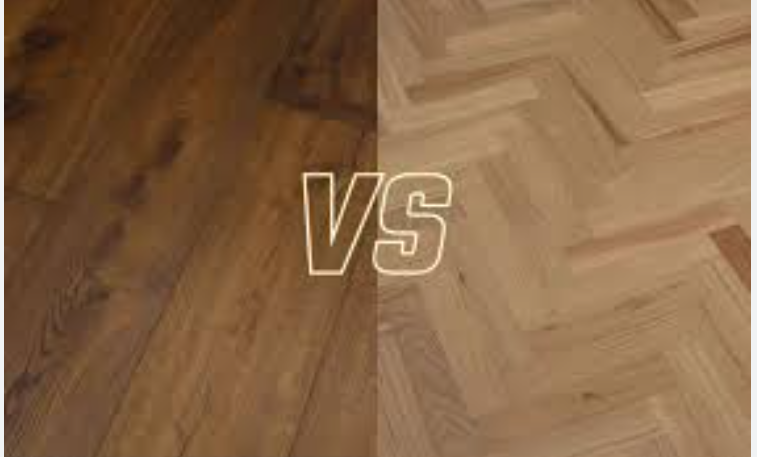
Solid wood flooring is made from a single piece of hardwood throughout its thickness. It provides a timeless appearance, can be sanded and refinished multiple times, and often lasts for decades when properly maintained. However, solid wood is more sensitive to moisture and temperature changes, which can cause expansion, contraction, or warping in humid environments.
Engineered wood flooring, on the other hand, consists of a real hardwood veneer on top of multiple layers of plywood or high-density fiberboard. This layered construction makes it more stable and resistant to moisture and temperature fluctuations. As a result, engineered wood is suitable for a wider range of locations, including basements and areas with varying humidity levels.
In terms of cost, engineered wood is often more affordable and easier to install, while solid wood is considered a premium long-term investment. Both options come in a variety of wood species, finishes, and styles.
For homeowners seeking maximum longevity and the ability to refinish floors repeatedly, solid wood is an excellent choice. For those prioritizing stability, versatility, and value, engineered wood flooring is often the better option. The right choice depends on your budget, environment, and design preferences.
Advantages of Solid Wood Flooring
Solid wood flooring remains the premium choice for many homeowners seeking authenticity and longevity.
Exceptional Longevity
One of the biggest advantages is its lifespan. Properly maintained solid wood flooring can last for decades and often remains beautiful for generations.
For example:
- Heritage villas
- Luxury residences
- High-end hospitality properties
often choose solid wood because of its enduring value.
Ability to Refinish
Unlike many flooring materials, solid wood flooring can be sanded and refinished multiple times. This allows owners to restore its appearance even after years of wear.
Advantages of Engineered Wood Flooring
Engineered wood flooring offers several practical benefits that make it attractive in modern construction projects.
Greater Dimensional Stability
The layered construction helps resist warping, shrinking, and expansion caused by environmental changes.
This is especially beneficial in UAE climates where air conditioning and temperature variations can impact flooring performance.
Easier Installation
Engineered wood flooring supports multiple installation methods, including:
- Floating systems
- Glue-down installations
- Click-lock mechanisms
This flexibility often reduces installation time and labor costs.
Wood Flooring Performance in UAE Climate
The UAE’s climate presents unique challenges for flooring materials. High outdoor temperatures combined with heavily air-conditioned interiors can create fluctuations that affect wood products.
Solid Wood Performance
Solid wood flooring can expand and contract as humidity levels change. Proper acclimatization before installation is essential to minimize movement.
Professional installers often recommend humidity control measures to maintain long-term stability.
Engineered Wood Performance
Due to its layered design, engineered wood flooring generally performs better in UAE conditions.
For property owners evaluating flooring options, comparing Wood Flooring solutions can provide insights into materials that offer enhanced durability and climate resistance.
This added stability makes engineered wood particularly popular in Dubai apartments and commercial developments.
Cost Comparison Between Solid and Engineered Wood
Budget is often a major consideration when selecting flooring.
Initial Investment
Solid wood flooring typically costs more because it uses larger quantities of natural hardwood.
Factors affecting pricing include:
- Wood species
- Plank dimensions
- Finish quality
- Installation requirements
Long-Term Value
While engineered wood usually has a lower upfront cost, solid wood flooring may provide greater long-term value due to its extended lifespan and refinishing capabilities.
Property owners should evaluate both immediate expenses and lifecycle costs.
Maintenance Requirements
Proper maintenance helps maximize the lifespan and appearance of any wood flooring system.
Caring for Solid Wood Flooring
Recommended maintenance practices include:
- Regular sweeping
- Vacuuming with soft attachments
- Prompt spill cleanup
- Periodic refinishing
These steps help preserve the flooring’s natural beauty.
Caring for Engineered Wood Flooring
Engineered wood requires similar maintenance but generally needs less extensive restoration over its lifespan.
Owners should avoid excessive moisture and use manufacturer-approved cleaning products.
Best Applications for Solid Wood Flooring
Solid wood flooring is ideal for spaces where luxury, longevity, and authenticity are priorities.
Residential Applications
Popular uses include:
- Luxury villas
- Master bedrooms
- Formal living rooms
- High-end residences
The natural character of solid wood creates a warm and inviting atmosphere.
Hospitality Projects
Premium hotels and upscale resorts frequently choose solid wood flooring to enhance guest experiences and reinforce brand image.
Best Applications for Engineered Wood Flooring
Engineered wood flooring excels in environments requiring greater stability and installation flexibility.
Modern Residential Spaces
Ideal locations include:
- Apartments
- Townhouses
- Family homes
- Renovation projects
The material offers an excellent balance between aesthetics and practicality.
Commercial Environments
Engineered wood performs well in:
- Offices
- Retail stores
- Showrooms
- Hospitality venues
Its resistance to environmental changes makes it a reliable choice for busy spaces.
Factors to Consider Before Choosing
Selecting between solid and engineered wood flooring requires careful evaluation of several factors.
Consider Your Budget
Ask yourself:
- What is your total flooring budget?
- Are long-term savings important?
- Do you prioritize premium materials?
Evaluate Environmental Conditions
Properties in coastal areas or environments with varying humidity levels may benefit more from engineered wood flooring.
Think About Future Maintenance
If refinishing flexibility is important, solid wood flooring may be the better investment.
If convenience and stability are priorities, engineered wood often provides a practical solution.
Key Takeaways
- Solid wood flooring is made entirely from hardwood.
- Engineered wood flooring uses a layered construction with a real wood veneer.
- Engineered wood offers better stability in changing environmental conditions.
- Solid wood can be refinished multiple times.
- Engineered wood is often more affordable.
- Both options provide authentic wood aesthetics.
- UAE climate conditions frequently favor engineered wood flooring.
- Project goals and budget should guide the final decision.
Finding the Perfect Wood Flooring Solution
Choosing between solid wood flooring and engineered wood flooring ultimately depends on your property’s requirements, budget, design preferences, and long-term expectations. Both options deliver the timeless beauty of natural wood and can significantly enhance residential and commercial interiors.
If you are planning a renovation, new construction project, or commercial fit-out, exploring professional Wood Flooring solutions can help you identify the ideal flooring system for your space. Consulting experienced flooring specialists ensures you receive expert recommendations tailored to UAE conditions, helping you achieve a durable, attractive, and valuable flooring investment for years to come.
Frequently Asked Questions
1. What is the main difference between solid wood and engineered wood flooring?
Solid wood flooring is made from a single piece of hardwood, while engineered wood flooring consists of multiple layers with a hardwood veneer on top.
2. Which flooring option is better for UAE homes?
Engineered wood flooring is often preferred due to its superior stability in varying temperature and humidity conditions.
3. Can solid wood flooring be refinished?
Yes, solid wood flooring can typically be sanded and refinished multiple times throughout its lifespan.
4. Is engineered wood flooring real wood?
Yes, engineered wood flooring features a genuine hardwood surface layer.
5. Which option is more affordable?
Engineered wood flooring generally costs less than solid wood flooring.
6. How long does solid wood flooring last?
With proper maintenance, solid wood flooring can last 50 years or more.
7. Is engineered wood flooring durable?
Yes, high-quality engineered wood flooring offers excellent durability and dimensional stability.
8. Can wood flooring increase property value?
Yes, quality wood flooring often enhances both property appeal and resale value.
9. Which flooring is easier to install?
Engineered wood flooring is usually easier and faster to install due to its versatile installation methods.
10. Is wood flooring suitable for commercial properties?
Yes, both solid and engineered wood flooring can be used in commercial spaces, depending on traffic levels and project requirements.