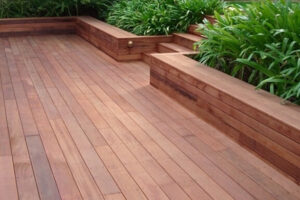
Preparing Your Concrete Subfloor for Wood Flooring in Dubai is essential for ensuring a stable, durable, and long-lasting floor installation. In Dubai’s demanding climate, factors such as high humidity, temperature fluctuations, and modern construction standards make proper subfloor preparation a crucial step rather than a simple formality. A well-prepared concrete subfloor helps prevent moisture damage, warping, uneven surfaces, and premature wear, allowing even premium wood flooring to maintain its appearance and performance for years.
In Dubai homes and commercial spaces, concrete subfloors must be carefully inspected, leveled, and treated to ensure they meet the strict requirements of wood flooring installation. This includes checking moisture levels, repairing cracks, applying suitable primers or moisture barriers, and ensuring a perfectly smooth and stable surface. Each step plays a vital role in protecting the flooring system and preserving its appearance and durability over time.
Whether you are renovating a luxury villa, upgrading an apartment, or finishing a new construction project, understanding how to properly prepare your concrete subfloor is essential. It not only guarantees a flawless installation but also maximizes the lifespan and beauty of your wood flooring investment in Dubai’s unique environmental conditions.
The 48-Hour Plastic Sheet Moisture Test Every Installer Should Do
The 48-hour plastic sheet test is one of the simplest on-site methods for identifying excessive moisture emissions from a concrete slab. A clear polyethylene sheet is sealed tightly onto the slab surface and left undisturbed for at least 48 hours. If condensation forms underneath the plastic or the concrete darkens noticeably, it indicates that moisture is still actively migrating from the slab.
In Dubai, this test is especially important because many slabs retain residual construction moisture due to humidity and fast-track building schedules. While it is not as precise as electronic calcium chloride or hygrometer testing, it provides a quick visual warning sign before flooring installation begins. If moisture is detected, installers typically delay work or introduce vapor barriers and mitigation systems. This simple field test helps prevent long-term flooring failures such as cupping, adhesive breakdown, or mold-related issues.
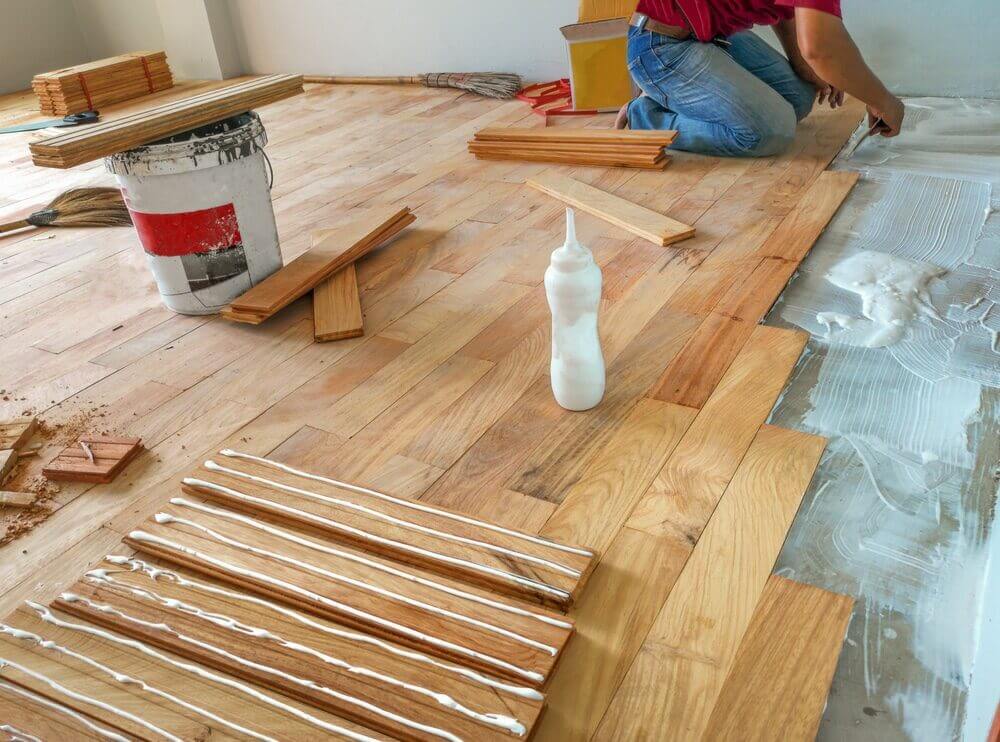
How to Measure Concrete Slab Flatness: The 3-Meter Straightedge Rule
Measuring slab flatness is critical for ensuring successful wood or vinyl flooring installation. The widely used 3-meter straightedge rule involves placing a straight metal bar across the floor surface and checking for gaps between the slab and the tool. Any deviation is measured using feeler gauges or calibrated spacers to determine how uneven the surface is.
In high-quality installations, tolerances are typically very strict, as even small variations can affect flooring stability and appearance. In Dubai construction, slab irregularities are not uncommon due to rapid project timelines and multi-contractor coordination.
Uneven slabs can lead to hollow spots, clicking sounds, or visible plank movement after installation. Identifying and correcting these issues early allows installers to apply leveling compounds or grinding techniques to achieve a smooth, consistent surface suitable for long-term flooring performance.
Why Some Dubai Slabs Need Diamond Grinding Before Installation
Diamond grinding is often required when concrete slabs have surface imperfections that cannot be corrected with leveling compounds alone. These imperfections may include trowel marks, high spots, curing residues, or uneven patches left from construction. In Dubai, slabs frequently require mechanical preparation because of fast-paced construction schedules and varied finishing quality across developments.
Diamond grinding uses abrasive tools to mechanically remove high points and open the concrete surface for better adhesion. This process ensures that adhesives bond properly and that floating floors sit evenly across the subfloor. Without proper preparation, flooring systems may develop hollow sounds, uneven wear, or premature adhesive failure. Grinding also improves the performance of primers and moisture barriers by creating a more uniform and porous substrate, which is essential for long-term flooring stability in demanding residential environments.
The Right Moisture Barrier for Ground Floor Villas vs High-Rise Apartments
Moisture barrier selection depends heavily on the building type and slab conditions. In ground floor villas, where direct contact with soil and higher moisture risk exist, robust vapor barriers such as thick polyethylene membranes or epoxy-based moisture control systems are often required. These barriers prevent ground moisture from migrating upward into the flooring system.
In high-rise apartments, slab moisture is typically lower and more controlled, so lighter vapor retarders or integrated underlayment barriers may be sufficient. However, even in towers, humidity and air-conditioning condensation can still affect flooring performance if not properly managed.
The key is matching the barrier’s permeability rating to the specific risk level of the structure. Incorrect selection can lead to trapped moisture, adhesive failure, or long-term wood deformation. Proper assessment ensures the flooring system remains stable under Dubai’s unique environmental conditions.
How to Treat Efflorescence (White Powder) on Old Dubai Concrete
Efflorescence appears as a white, powdery residue on concrete surfaces and is caused by moisture carrying salts to the surface as it evaporates. In older Dubai buildings, this is relatively common due to past moisture exposure or inconsistent curing practices. Before installing flooring, efflorescence must be properly treated because it can interfere with adhesion and indicate ongoing moisture movement.
The first step is dry brushing or vacuuming to remove loose deposits. In more severe cases, mild acidic cleaners or specialized concrete treatments may be used to dissolve salt buildup. However, simply cleaning the surface is not enough if underlying moisture issues remain unresolved. Installers often conduct moisture testing afterward to ensure stability. If left untreated, efflorescence can reappear beneath flooring systems and compromise both aesthetic and structural performance over time.
What Humidity Level Should the Subfloor Reach Before Installation?
Subfloor humidity must reach a stable equilibrium before any wood flooring installation to prevent future movement or damage. While exact thresholds vary depending on material type and manufacturer guidelines, the general principle is that the concrete slab and wood materials should be within an acceptable moisture balance range. In Dubai, this is especially important due to high ambient humidity combined with strong indoor air-conditioning cycles.
If the slab retains too much moisture, it can lead to cupping, adhesive failure, or mold growth beneath flooring systems. Conversely, overly dry conditions can also create instability once the flooring adjusts to indoor humidity. Professional installers typically use calibrated moisture meters to ensure the slab has stabilized over time rather than relying on visual inspection alone. Achieving correct humidity balance is one of the most critical steps in ensuring long-term flooring durability.
The Role of Self-Leveling Compound on Imperfect Dubai Slabs
Self-leveling compounds are essential in correcting uneven concrete slabs before installing wood, vinyl, or laminate flooring. These cement-based materials flow across the surface to fill low spots and create a smooth, uniform base. In Dubai construction, where slab inconsistencies are common due to rapid project delivery, self-leveling compounds play a crucial role in achieving installation standards.
Once poured, the compound naturally settles to form a flat surface, reducing the need for extensive manual grinding or patching. This not only improves installation speed but also enhances the long-term performance of the flooring system. A properly leveled substrate prevents issues such as hollow sounds, uneven wear, and plank movement. However, correct primer application and curing time are essential to ensure proper bonding between the slab and leveling material.
Why Acoustic Membranes Are Mandatory for Apartments
Acoustic membranes are often required in apartment buildings to reduce sound transmission between units, particularly impact noise such as footsteps and furniture movement. In dense urban environments like Dubai, building regulations and developer standards frequently mandate soundproofing measures to enhance resident comfort.
Acoustic membranes are installed beneath flooring systems to absorb vibration and reduce sound transfer through the structure. These materials are especially important in multi-story residential buildings where noise can easily travel through concrete slabs. Without proper acoustic treatment, even high-quality flooring can transmit unwanted sound to neighboring units.
Membranes work in combination with underlayments and perimeter sealing to create a more complete sound insulation system. Their use is not only a technical requirement in many projects but also a key factor in perceived living quality and property value.
How to Handle Expansion Joints Already Cut in the Concrete
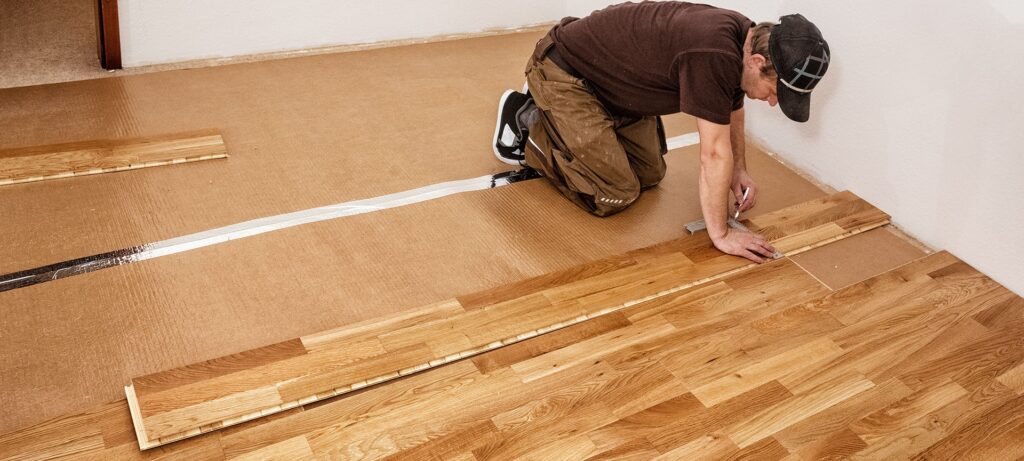
Expansion joints in concrete slabs are designed to accommodate structural movement caused by temperature changes, load shifts, and building settlement. When installing flooring over these joints, it is essential not to block or bridge them rigidly. Instead, installers typically use specialized transition systems or flexible bridging materials that allow independent movement on either side of the joint.
In some cases, the flooring is cut precisely above the joint and finished with a cover profile that maintains both flexibility and aesthetics. Ignoring expansion joints can lead to serious flooring issues such as cracking, buckling, or adhesive failure as the building moves naturally over time. Proper handling ensures that both the structural integrity of the slab and the performance of the flooring system are preserved. Careful planning at the installation stage is therefore critical in any Dubai construction environment.
Frequently Asked Questions
How do I know if my concrete slab is dry enough for wood flooring?
Perform a calcium chloride test or use a pinless moisture meter. Target below a specific RH percentage.
Can I install wood flooring over a freshly poured concrete slab in Dubai?
No. Concrete must cure for at least 60-90 days and pass moisture tests before installation.
What is the white powder on my Dubai garage floor (and will it affect wood)?
Efflorescence, or salt deposits. It indicates moisture movement and requires a heavy-duty vapor barrier.
Do I need to seal my concrete slab before installing wood in Dubai?
Yes, especially on ground floors. Use a two-part epoxy or liquid vapor barrier sealer.
How level does a concrete slab need to be for floating wood floors?
Within a small tolerance over several meters. High spots need grinding; low spots need leveling compound.
Can I install wood flooring directly over concrete without underlayment?
No. Underlayment provides moisture protection, acoustic insulation, and cushioning.
What’s the cost of subfloor preparation in Dubai?
Preparation costs vary based on conditions, from simple cleaning to full grinding and leveling.
How long does it take to prepare a concrete slab in a Dubai apartment?
2-5 days depending on size, amount of leveling needed, and drying time for compounds.
Is subfloor preparation included in standard installation quotes?
Often not. Always ask for separate line items for grinding, leveling, and moisture barriers.