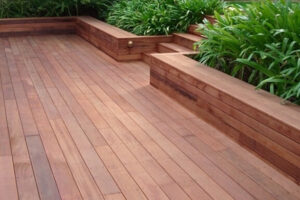
Wood-plastic composite (WPC) flooring has grown in popularity among homeowners and designers for its versatility, durability, and eco-friendly composition. Unlike traditional hardwood floors, WPC floors combine wood fibers with thermoplastics to create a material that retains the warmth and aesthetic appeal of wood while offering superior resistance to moisture, impact, and wear. For homeowners seeking a long-lasting, low-maintenance flooring solution, WPC floors present an ideal option.
In addition to durability, WPC flooring also offers flexibility in design. With a variety of textures, colors, and finishes available, it can complement both modern and classic interiors. Its resilience makes it particularly suitable for high-traffic areas such as living rooms, kitchens, and commercial spaces, without sacrificing aesthetic quality.
This article explores the many advantages of WPC floor installation, maintenance practices, and practical considerations to help homeowners make informed choices about their flooring.
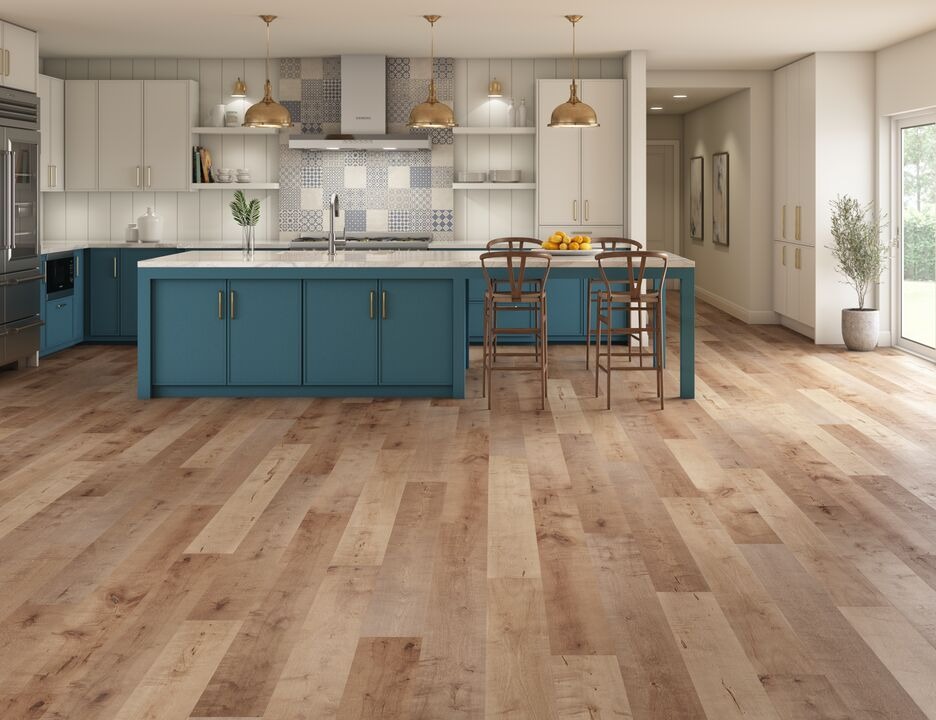
Understanding WPC Floor Composition and Material Properties
WPC flooring is composed of wood fibers or sawdust mixed with thermoplastics such as PVC, PE, or PP. This combination creates a product that mimics the look and feel of natural wood while improving structural integrity. Unlike conventional wood, WPC does not warp or expand excessively in humid conditions, making it a reliable choice for areas prone to moisture exposure.
The layered construction of WPC flooring typically includes a core layer, a waterproof stabilizing layer, a decorative vinyl layer, and a protective wear layer. The core provides rigidity and dimensional stability, while the top layers deliver realistic wood grain patterns and scratch resistance. Advanced manufacturing processes ensure that WPC floors are uniform, durable, and resistant to heavy foot traffic.
Additionally, WPC’s inherent sound-dampening properties reduce noise transfer between floors, making it suitable for multi-story homes and apartments. Its synthetic components also resist mold, termites, and fungal growth, offering additional peace of mind for homeowners.
How WPC Floor Differs from Traditional Wooden Flooring
While natural hardwood floors are prized for their beauty, they have limitations in terms of maintenance and durability. Wood expands and contracts with humidity, is prone to scratches and dents, and requires regular sealing or refinishing. In contrast, WPC floor addresses many of these issues without compromising the wood-like appearance.
Some key differences include:
- Water Resistance: WPC floors are designed to be waterproof, making them suitable for kitchens, bathrooms, and basements.
- Durability: The composite core ensures that the floor resists impact, heavy furniture, and high foot traffic better than traditional wood.
- Low Maintenance: Unlike hardwood that requires polishing, WPC floors can be cleaned with simple sweeping and mopping.
- Ease of Installation: Many WPC products come in click-lock systems, enabling quicker and less complicated installation.
These advantages make WPC a practical choice for modern homes, where durability and ease of maintenance are just as important as aesthetic appeal.
Steps to Maintain and Clean Your WPC Floor Effectively
Proper maintenance ensures that WPC flooring retains its beauty and longevity. Unlike traditional wood, it does not require refinishing, but routine care is essential to prevent scratches and stains.
Daily Cleaning Tips:
- Sweep or vacuum regularly to remove dust and grit.
- Use a damp mop with a neutral pH cleaner specifically formulated for WPC floors.
- Avoid excessive water, as standing puddles can seep into seams over time.
Preventive Measures:
- Place mats at entryways to reduce dirt and moisture from shoes.
- Use felt pads under furniture to prevent scratches.
- Avoid dragging heavy furniture across the floor.
Periodic Maintenance:
- Inspect for minor scratches or chips and address them with repair kits.
- Ensure that room humidity is balanced to maintain structural integrity.
- Clean stubborn stains with a soft cloth and mild detergent.
Adhering to these practices can prolong the lifespan of WPC floors and keep them looking new for years.
Common Installation Methods for WPC Floor in Residential Spaces
Installing WPC flooring can be straightforward with the right preparation and tools. The most common methods include:
- Click-Lock System: Planks interlock without adhesives, allowing for a floating floor installation.
- Glue-Down Installation: Suitable for areas requiring additional stability; adhesive secures the planks to the subfloor.
- Loose Lay: Planks are laid without adhesive or interlocking, relying on their weight and friction for stability.
Installation Tips:
- Ensure the subfloor is clean, level, and dry.
- Acclimate the planks to the room environment for 48 hours before installation.
- Maintain proper expansion gaps around walls to prevent buckling.
For homeowners exploring options like wpc floor, understanding these methods helps ensure a smooth, professional-looking installation.
Environmental Advantages of Using WPC Floor in Modern Homes
Sustainability is increasingly important in residential design, and WPC flooring offers several environmental benefits. By incorporating recycled wood fibers and plastics, WPC reduces reliance on virgin timber, conserving natural forests.
Eco-Friendly Benefits Include:
- Reduced deforestation due to partial use of recycled wood.
- Lower maintenance products reduce chemical usage compared to wood sealants.
- Long lifespan decreases the frequency of replacement, reducing overall environmental impact.
Furthermore, WPC flooring is recyclable at the end of its life cycle, contributing to a circular economy approach in home building materials. For eco-conscious homeowners, combining linoleum flooring abu dhabi with WPC can create environmentally responsible flooring solutions that are stylish and practical.
How to Prevent Damage and Extend the Lifespan of WPC Floor
Even though WPC floors are highly durable, they still require care to maximize longevity. Some preventive strategies include:
- Use Rugs and Mats: High-traffic areas benefit from protective mats to reduce abrasion.
- Avoid Sharp Objects: Keep pets’ nails trimmed and avoid dragging furniture.
- Control Indoor Climate: Maintain moderate humidity levels to prevent slight expansion or contraction.
- Regular Cleaning: Remove abrasive dust and particles that could scratch the surface.
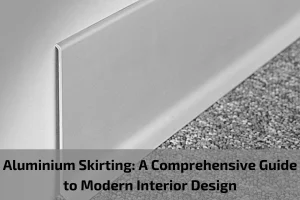
Additionally, WPC floors can be paired with protective accessories like epoxy skirting to shield wall edges and enhance durability, making the entire flooring system more resilient.
Comparing WPC Floor with Other Flooring Options for Durability
WPC flooring stands out among other flooring materials due to its combination of aesthetics and strength. A brief comparison highlights why it’s a top choice:
| Flooring Type | Durability | Water Resistance | Maintenance | Installation Complexity |
| Hardwood | Medium-High | Low | High | Moderate |
| Laminate | Medium | Low | Medium | Easy |
| Vinyl | Medium | High | Low | Easy |
| WPC Floor | High | High | Low | Easy |
This table demonstrates that WPC floors strike a balance between natural beauty, low maintenance, and high durability, making them suitable for residential and commercial spaces alike.
Conclusion
WPC flooring represents a versatile, durable, and eco-friendly choice for modern homes. Its combination of wood fibers and thermoplastics ensures resistance to moisture, wear, and impact, while maintaining the natural appeal of wood. Proper installation and maintenance practices further enhance its longevity, making it a reliable flooring solution for years to come.
From water resistance to ease of cleaning and environmental benefits, WPC floors address many of the challenges associated with traditional wooden flooring, offering homeowners an intelligent balance of style and practicality.
Frequently Asked Questions
- What is WPC floor and why is it used?
WPC floor is a wood-plastic composite material made from wood fibers and thermoplastics. It is used for its durability, water resistance, and low maintenance, making it ideal for residential and commercial spaces. - How durable is WPC floor compared to hardwood?
WPC flooring is more resistant to moisture, scratches, and dents than hardwood. It maintains structural stability over time, even in high-traffic or humid areas. - Can WPC floor be installed in humid areas?
Yes, WPC floor is designed to withstand moisture, making it suitable for bathrooms, kitchens, and basements where traditional hardwood may warp or swell. - How do I clean and maintain WPC floor?
Regular sweeping, vacuuming, and damp mopping with a neutral pH cleaner are sufficient. Avoid standing water and use mats and protective pads to prevent scratches. - What are the common problems with WPC floor?
Minor scratches, chips, or improper installation may occur. Ensuring proper acclimation and preventive maintenance can minimize these issues. - Is WPC floor eco-friendly?
Yes, WPC flooring often incorporates recycled wood and plastics, reducing reliance on virgin timber and lowering environmental impact. - Can WPC floor be used in commercial spaces?
Absolutely. Its durability, water resistance, and low maintenance make WPC suitable for offices, retail spaces, and other commercial environments. - How do I enhance the longevity of WPC floors?
Use mats in high-traffic areas, avoid dragging furniture, maintain balanced indoor humidity, and perform regular cleaning. Protective options like epoxy skirting can further improve durability. - What are the differences between WPC floor and laminate flooring?
WPC offers better water resistance, durability, and sound insulation than laminate, making it a superior choice for moisture-prone areas. - Can WPC floor match the aesthetics of natural wood?
Yes, advanced manufacturing allows WPC floors to replicate wood grains, textures, and colors, providing a natural look without the drawbacks of solid hardwood.
11. How can wpc floor complement other eco-friendly flooring?
It can be combined with options like linoleum flooring abu dhabi to create sustainable and visually appealing interiors.